
Edible Urban Gardening
You don’t need a large backyard to grow your own food. Whether you have a balcony, patio, rooftop, or even a sunny windowsill, small urban spaces can produce an impressive harvest. With a little creativity and the right plant choices, you can turn compact areas into productive edible gardens. Below are some practical tips to help you make the most of your small-space edible garden.
1. Grow Up, Not Out
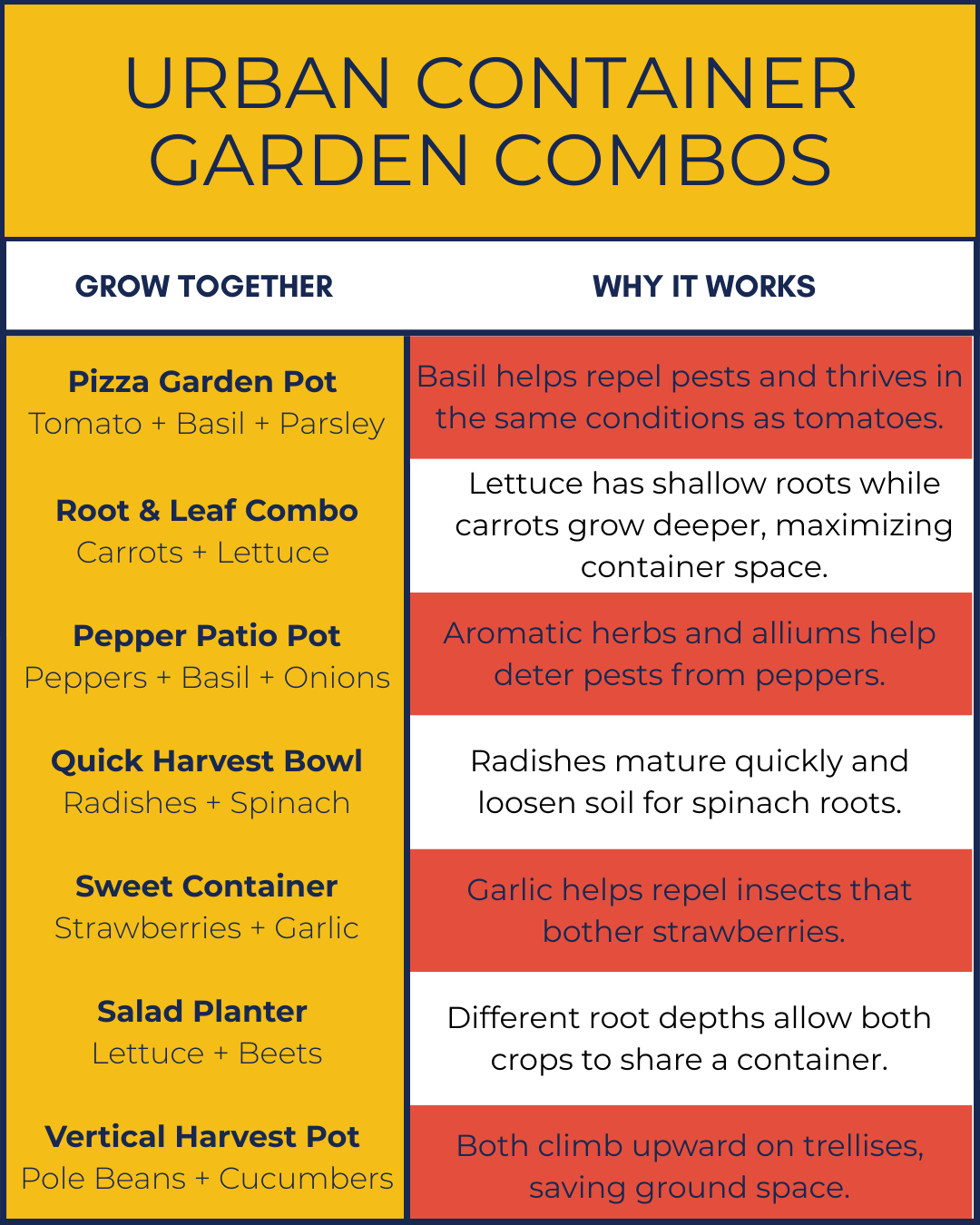
When space is limited, think vertically. Trellises, wall planters, hanging baskets, and railing boxes allow you to grow more plants without taking up valuable floor space. Along with making the best use of your space, vertical growing also improves airflow and sunlight exposure, which can help reduce disease problems.
Climbing crops are especially helpful in vertical gardens. Plants like pole beans, snap peas, snow peas, cucumbers, grapes, and certain varieties of mini melons naturally grow upward and thrive on trellises or supports. Some heavier crops like squash and eggplant don’t naturally grow vines but can be supported with small trellises or cages to grow vertically.
2. Choose Compact or Dwarf Varieties
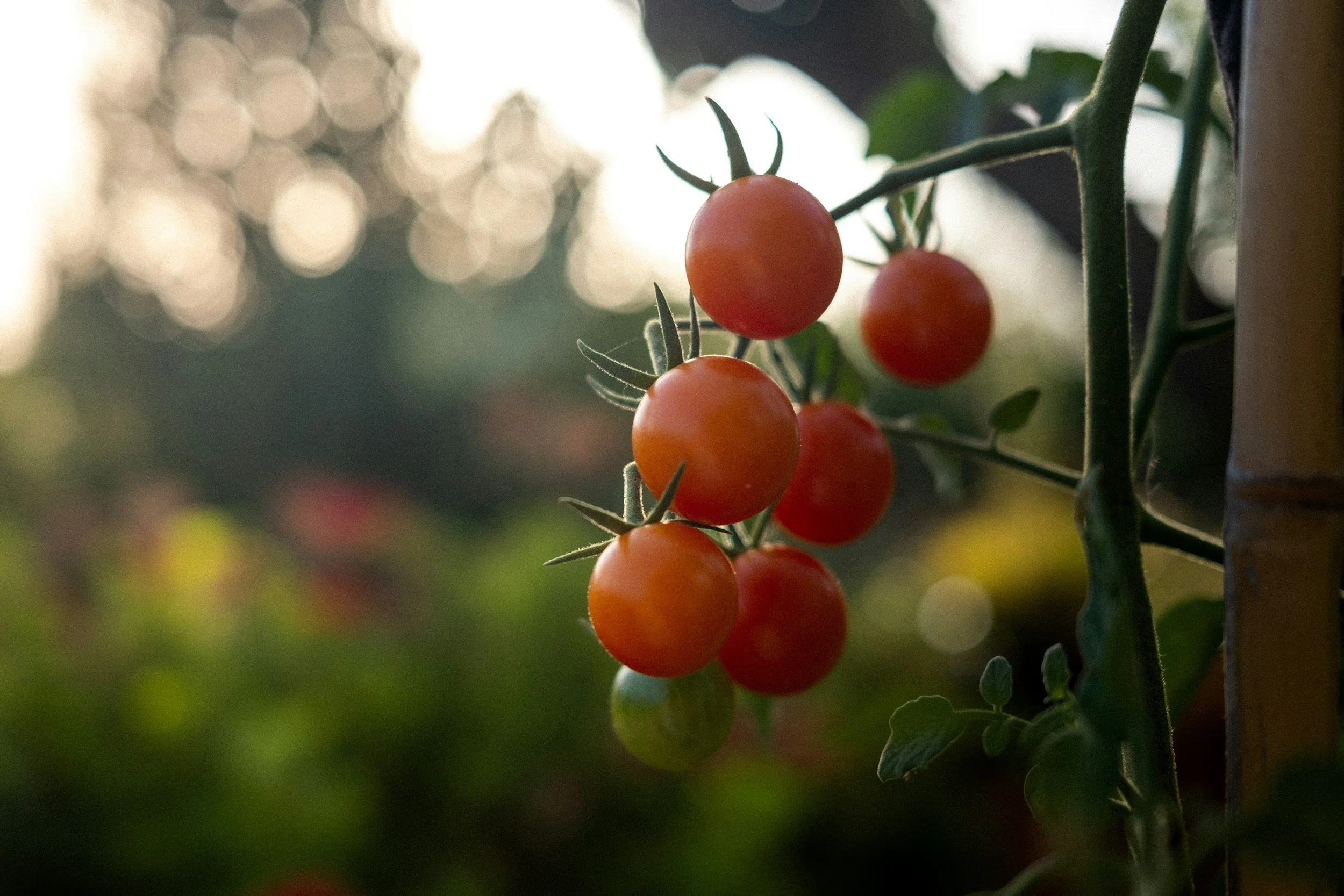
Many vegetables are bred specifically for containers and tight spaces. These varieties stay smaller while still producing a full crop. Look for patio or dwarf types of crops like Solanum lycopersicum (tomatoes), Capsicum annuum (peppers), and Lactuca sativa (lettuce). Compact plants are easier to manage in containers and often mature quickly.
3. Use Containers Creatively
Almost any container can become a garden as long as it has drainage holes. Traditional pots work great, but you can also use window boxes, hanging baskets, fabric grow bags, and repurposed buckets or tubs. Deep containers work best for crops with larger root systems (ie carrots, beets, turnips) while shallow containers are perfect for leafy greens and herbs.
4. Focus on High-Yield Crops
When space is limited, grow foods that give you the most harvest for the area they occupy. These plants produce frequently and can be harvested many times throughout the season: basil, chives, strawberries, cherry tomatoes, snap/snow peas, kale, lettuces
5. Pay Attention to Sunlight
Most edible plants need at least 6–8 hours of sunlight each day. Observe how the sun moves across your balcony, patio, or yard to determine the best placement for your containers. Leafy greens like spinach can tolerate partial shade, making them ideal for slightly less sunny spaces.
6. Focus on the Soil
Healthy plants start with healthy soil. Use a high-quality potting mix designed for containers rather than garden soil. Container mixes provide better drainage and aeration, helping roots grow strong. Since nutrients wash out of containers faster, adding a slow-release fertilizer or feeding regularly will keep your edible garden productive.