

Houseplants Outside In Summer
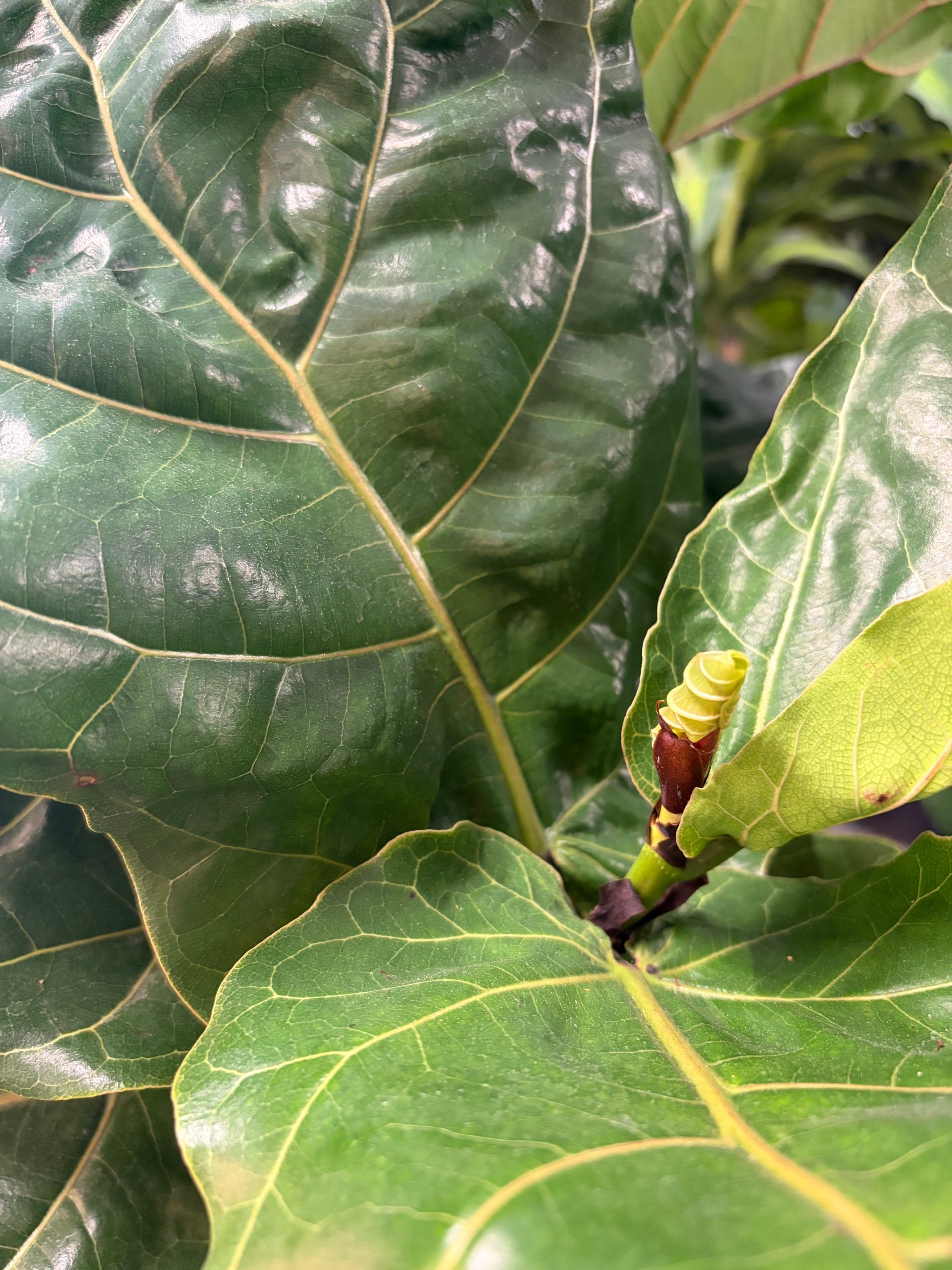
Houseplants don’t have to stay indoors all year. In fact, many of them benefit from spending the warm months outside. Moving houseplants outdoors in summer can lead to stronger growth, healthier foliage, and even more reliable flowering. Houseplants that especially benefit from summers outdoors include Pothos, Philodendron, Monstera, Spider plants, Peace Lily, ZZ Plant, Rubber Plant, Fiddle Leaf Fig, and Dracaena.
With evening temps consistently above 50 degrees, now’s the time to move them outside! But how to do it? Glad you asked. Start by placing your plants in fully shaded areas like carports, covered porches, or under large canopy trees. Most tropicals grow naturally as understory plants so make sure to avoid harsh midday suns and only introduce morning sun if appropriate for the species. Watering needs will also change for your plants once placed outdoors. Outdoor conditions make pots and soil dry out faster so make sure to check frequently. If you notice any leaf burn or stress signals, you may be in an area that has too much sun!
Light
One of the biggest advantages of summering houseplants outdoors is the dramatic increase in light quality. Even a bright indoor window delivers far less intensity than natural outdoor light. Outdoors, plants receive full-spectrum sunlight, which fuels photosynthesis more efficiently.
Air
Indoors, air is still and consistent. Outdoors, gentle wind movement helps plants build stronger stems and tougher foliage. This “conditioning” effect can make houseplants more resilient overall. Airflow also helps reduce some common indoor issues like fungal spots or stagnant humidity around leaves.
Rainwater
Natural rainfall is often better for plants than tap water. It’s typically softer, slightly acidic, and free of salts or chemicals like chlorine and fluoride. A good summer rain can flush excess minerals from soil and refresh the root zone. Just be cautious with heavy storms. Some plants can be damaged by pounding rain or waterlogged pots (so bring them inside for a night if a big storm is forecasted!)
Pests
Moving plants outside can help break indoor pest cycles. Outdoor environments introduce beneficial insects that may help control pests like aphids or spider mites. Wind and rain can also physically knock down early infestations. That said, outdoor exposure can also attract pests, so regular checking is still important.
Temperature
Most houseplants originate from tropical or subtropical environments where warm temperatures and humidity encourage active growth. Summer outdoor conditions often mimic this natural habitat more closely than indoor air-conditioned rooms. This seasonal boost can help plants recover from winter stress and build energy reserves for the year ahead.