

Preparing your Landscape for Snow
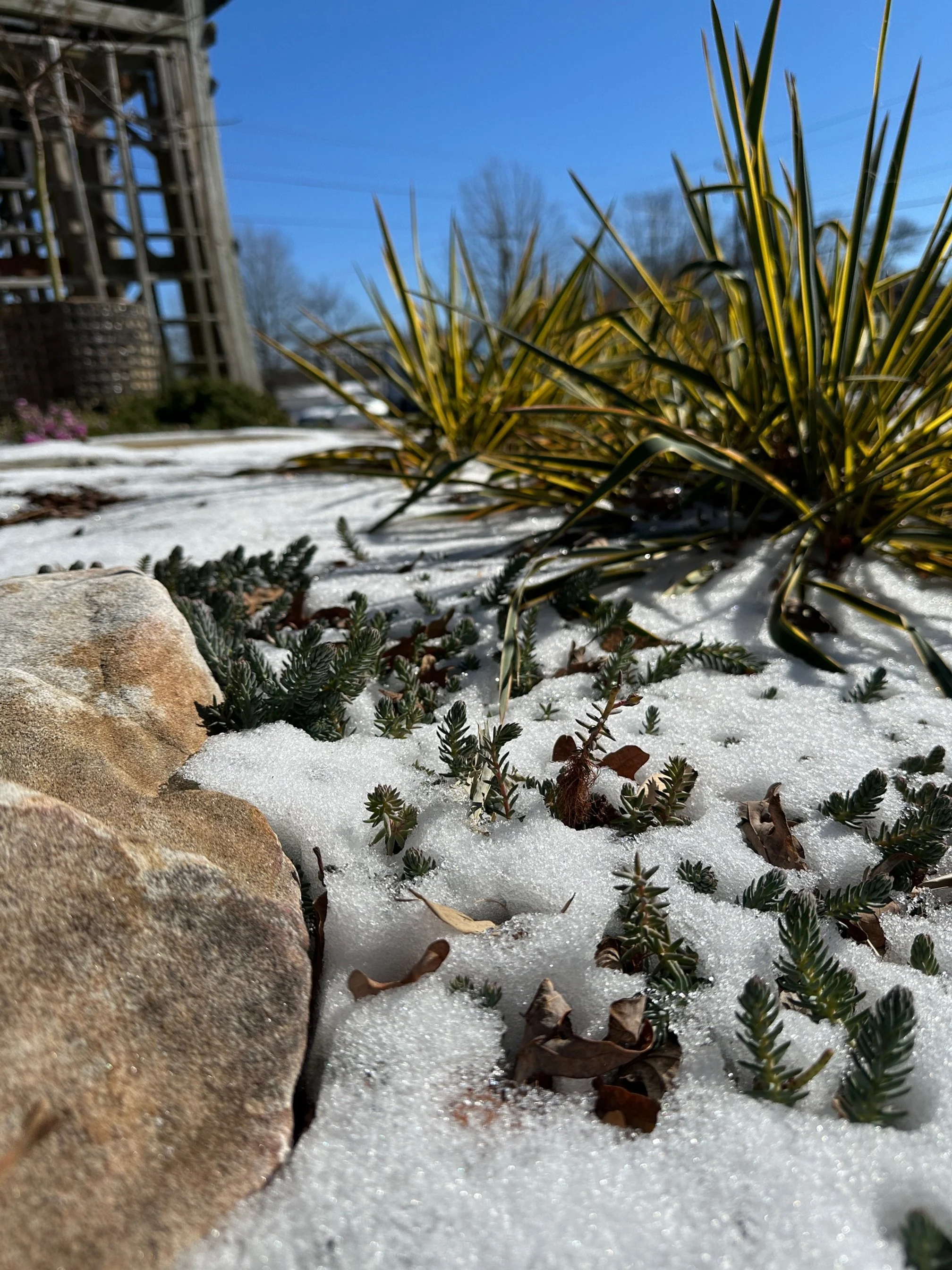
Preparing your landscape for snow before winter storms arrive can help protect plants, prevent damage, and ensure a healthier garden in spring. Do everything you can to reduce winter stress on trees, shrubs, lawns, and garden beds.
Start by watering your landscape deeply if the ground is not yet frozen. Moist soil holds heat better than dry soil and helps plant roots withstand cold temperatures and drying winter winds. Adding a layer of mulch around trees, shrubs, and perennial beds also provides insulation, moderates soil temperature, and protects roots from repeated freeze-and-thaw cycles.
Before snow falls, take time to protect vulnerable plants. Newly planted trees, tender perennials, and cold-sensitive shrubs may benefit from frost cloth, burlap, or other breathable coverings. For shrubs and evergreens prone to snow damage, gently tying branches together can help prevent breakage from heavy snow loads.
Basic cleanup is helpful, but avoid over-pruning. Remove diseased or damaged plant material, while leaving sturdy perennials and ornamental grasses standing to protect plant crowns and provide winter interest. Lawns should receive a final mowing and be cleared of fallen leaves to prevent matting and disease beneath the snow.
Finally, prepare hardscapes and garden features by draining hoses, shutting off irrigation systems, and moving fragile containers to protected areas. When snow does arrive, brush it gently off plants and avoid using traditional de-icing salts near planting areas. Thoughtful preparation now can make all the difference in helping your landscape weather the winter and emerge strong in the spring.