

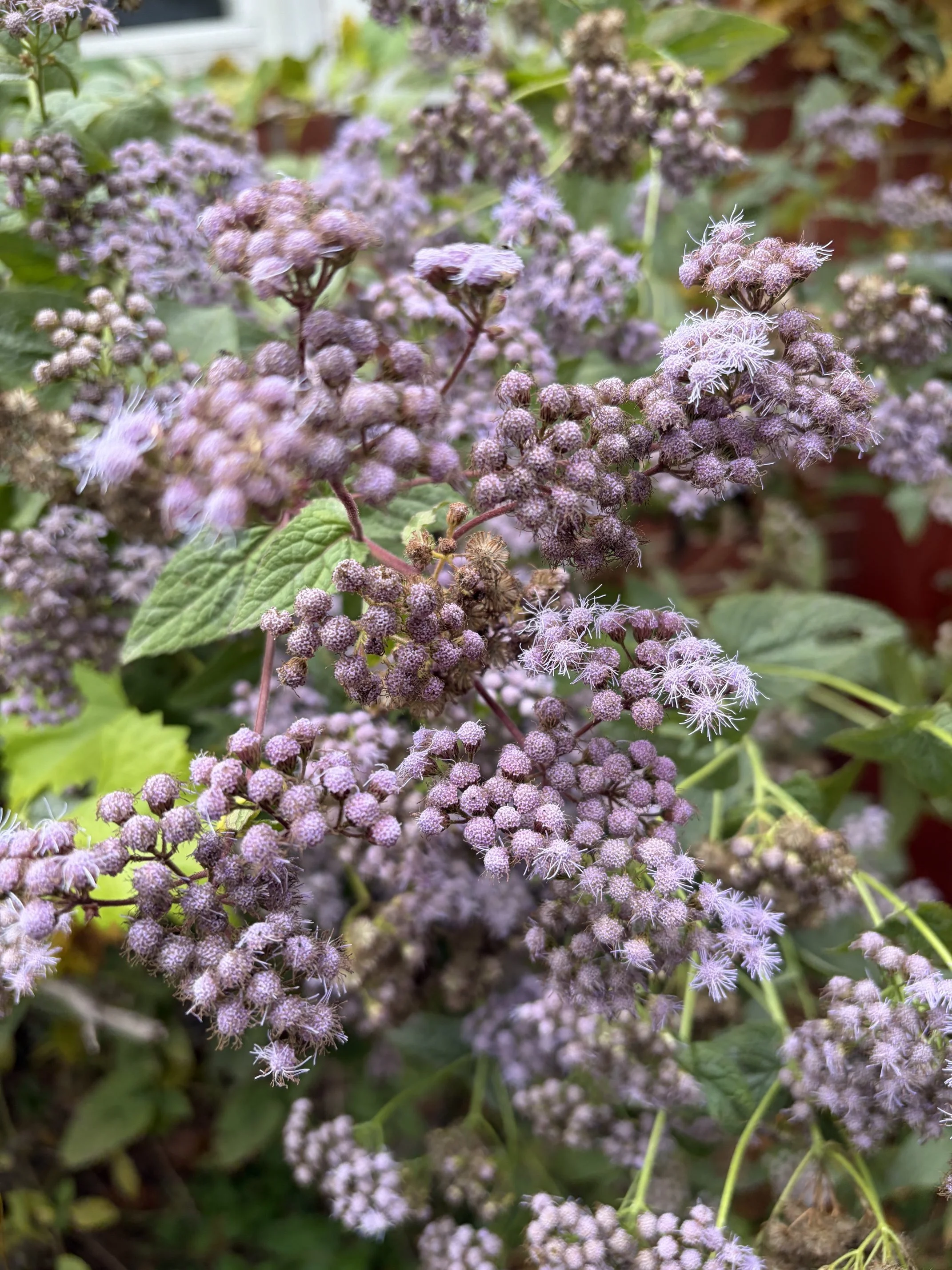
November is one of the best months of the year to sow native wildflower seeds in central North Carolina. Many of the Piedmont's best-loved perennials won't sprout until they've spent weeks in cold, wet soil. Sow them outside now and winter will do that work for you! Once March and April come around, you’ll have seedlings appearing and already adapted to your yard.
Why Central NC?
Central North Carolina's winters are cold enough to break seed dormancy but rarely so harsh that they punish seeds or seedlings. That middle ground is exactly what most native perennials evolved for. Many native seeds carry a built-in lock that only opens after weeks of cold, moist conditions (a process called cold stratification). Typical stratification requirements run 30 to 90 days and the Triangle easily delivers that.
Raleigh's average last spring frost is in late March to early April. Seeds that germinate in March have weeks of mild weather to build roots before summer heat arrives, which is the biggest hurdle for Piedmont seedlings. This long, early spring is another reason that our region is great for fall native sowing.
How to?
You have two good options when sowing natives outside. You can either scatter seed directly into a prepared bed or "winter sow" in recycled containers that act as mini-greenhouses. Direct sowing is the least work while containers give you more control and protect seed from birds, squirrels and washouts on our heavy clay.
1. Sowing seeds directly in the ground: Rake away leaves and mulch down to the bare soil so seeds can have direct contact with the ground. Scatter your seeds and press them down. Some seeds need to be covered with soil while others need light to germinate (see chart below). Lay hardware cloth or row cover over the bed to deter birds and squirrels. Let winter rain do the watering except in extended dry spells.
2. Sow in containers: Milk jugs work great for this. Just cut most of the way around the middle, remove the cap, and poke drainage hotels at the bottom. Add soil and fill with 4 inches of moist potting soil. Sprinkle your seeds on top and either press into the surface or cover with soil (depending on seed). Close the top to the milk jug and set outside. Check in every month or so to make sure soil isn’t dry and if it is, water it. Condensation (but not algae) is a good thing! Open up the top in spring as the days warm up.
Which Ones to Sow?
Butterfly weed (Asclepias tuberosa): 30 days cold needed, cover lightly
Swamp milkweed (Asclepias incarnata): 30 days cold needed, cover lightly
Foxglove beardtongue (Penstemon digitalis): 30 days cold needed, press into surface
Lanceleaf coreopsis (Coreopsis lanceolata): 30 days cold needed cover lightly
Wild columbine (Aquilegia canadensis): 60 days cold needed, surface sow because needs light to germinate
Cardinal flower (Lobelia cardinalis): 60 days cold needed, surface sow
Great blue lobelia (Lobelia siphilitica): 60 days cold needed, surface sow
Mistflower (Conoclinium coelestinum): 60 days cold needed, surface sow
Hollow Joe-pye weed (Eutrochium fistulosum): 60 days cold needed, cover lightly
Rose mallow (Hibiscus moscheutos): 60 days cold needed, cover 1/4’’
Rattlesnake master (Eryngium yuccifolium): 60 days cold needed, surface sow
Turtlehead (Chelone glabra): 90 days cold needed, cover lightly
Purple coneflower (Echinacea purpurea): doesn’t need cold but fall-sown seed comes up reliably in spring; cover lightly