

Gardening for Winter Biodiversity
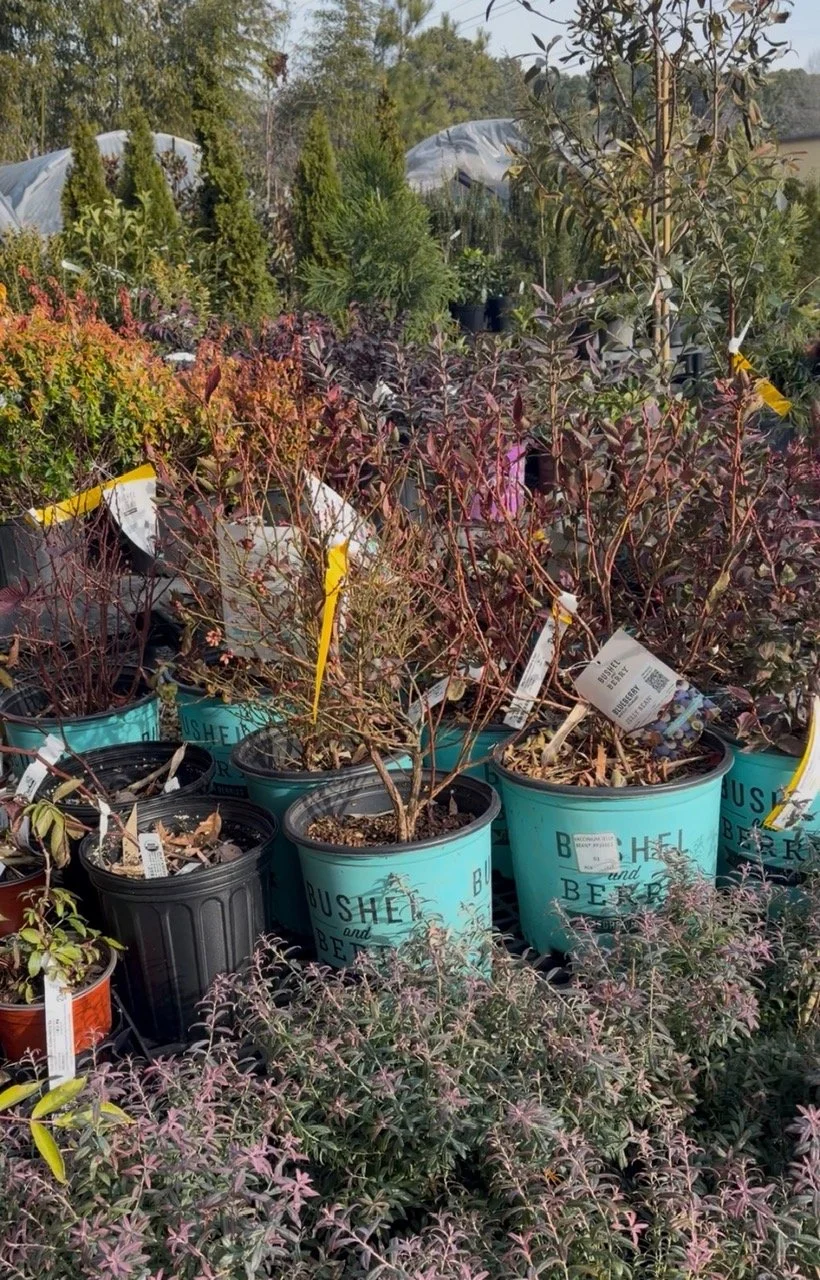
In the middle of winter, it’s hard to imagine that your plants are still creating habitats for beneficial insects and other wildlife. But they can! Your garden is an ecosystem, regardless of what time of year it is, and it’s important to grow with winter biodiversity in mind. Along with leaving the leaves, minimizing deadheading, and providing water sources for bird baths, there are some key plants that can support your winter ecosystem best. Consider boosting your cold season ecological diversity by planting in the following categories:
Native berry-producing plants…
are tightly connected to local wildlife. Birds, small mammals, and even overwintering insects have evolved alongside these plants and rely on their berries as an essential winter food source. Because the berries persist into the colder months, they provide calories at a time when insects are dormant and other food has disappeared. Many winter berries are high in fats and sugars, giving birds the energy they need to maintain body heat and fuel long foraging days. (Ex: holly, sumac, winterberry)
Plants with leftover seed heads…
provide a critical winter food source. Birds such as finches, sparrows, and chickadees depend on seeds when insects and fresh vegetation are unavailable. Leaving seed heads intact turns your garden into a natural feeder, helping wildlife survive the leanest months. Leaving seed heads isn’t neglect—it’s active stewardship! (Ex: coneflower, aster, ornamental grasses, sedum, and allium).
Dense evergreens…
offer year-round protection. Their needles and branches block cold winds, snow, and freezing rain, creating warmer microclimates inside the plant. Birds and small mammals use this cover to conserve energy and avoid exposure during harsh winter weather. They also provide critical refuge from predators, giving birds safe roosting sites and hiding places when leafless deciduous plants no longer offer concealment. This protection increases winter survival rates for many species. (Ex: wax myrtle, southern magnolia, american holly, eastern red cedar, juniper)
Winter-flowering herbs…
are especially valuable for increasing winter biodiversity because they provide nectar, pollen, and shelter when very few plants are in bloom. While most herbs aren't actively in bloom in the late months of winter, their flowers still emerge as temperatures drop and other flowering plants have died in November and December. (Ex: rosemary, lavender, sage, thyme, oregano)