

Propagating Hardwoods in Winter
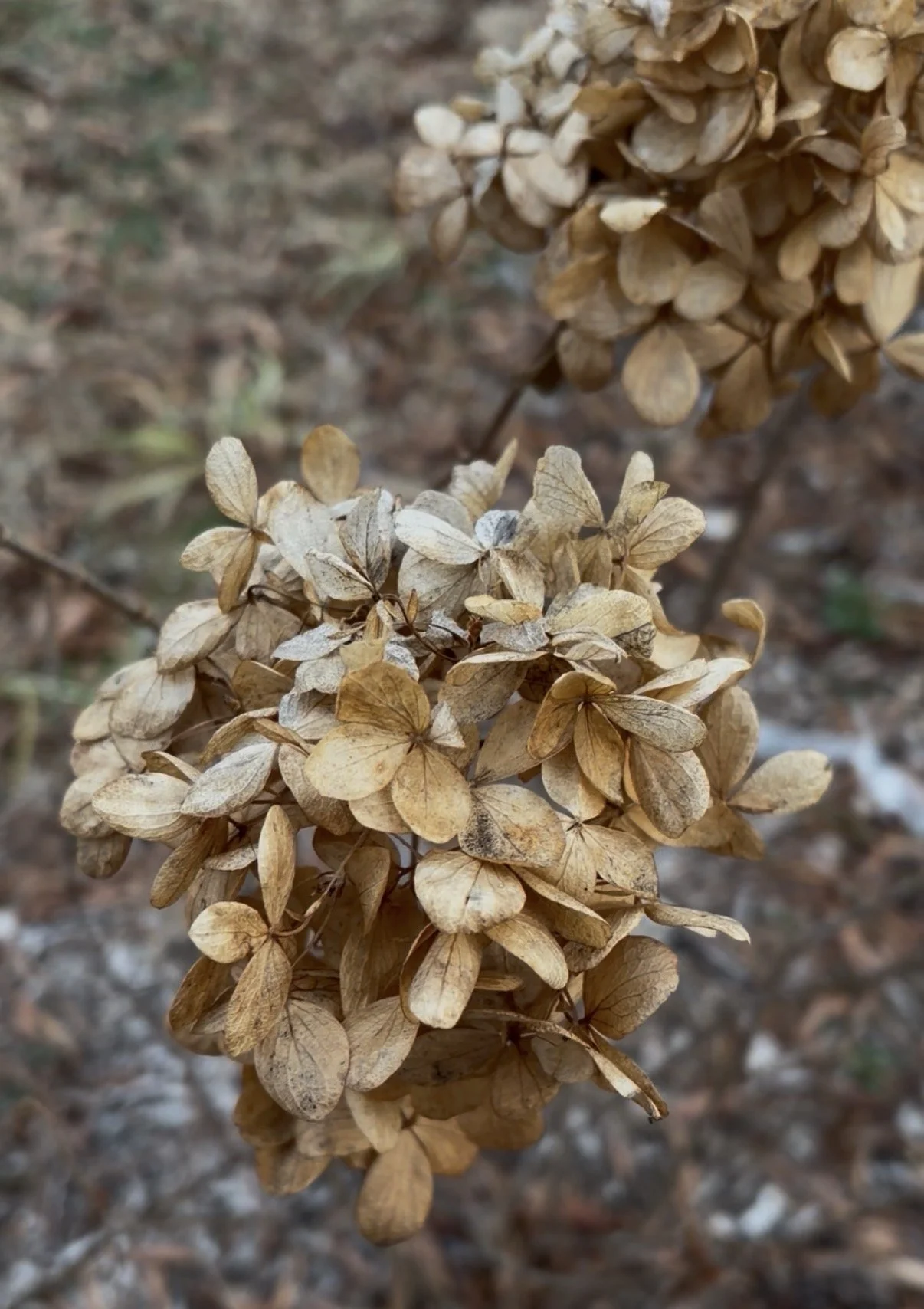
It’s easy to assume that winter is when gardeners take a break. But that’s not true! Winter is a great time to take cuttings from dormant hardwoods like figs, roses, hydrangeas, forsythia, willow, elderberry and many native shrubs. Taking cuttings in winter is a rewarding way to propagate plants and get a head start on spring. While growth slows during the colder months, many plants respond beautifully to winter propagation when given the right care.
Hardwood cuttings are taken from deciduous trees and shrubs after they’ve dropped their leaves and gone dormant (typically late fall through winter). Start by selecting healthy, disease-free branches that grew during the past season. Cut sections that are about 8-12 inches long on pencil-thick stems. Make the bottom cut just BELOW a node and the top cut just ABOVE a node. This helps stimulate root growth on bottom and prevent nubbing on the top. Then remove any remaining leaves or soft growth from the top. IMPORTANT! Make sure you label which side goes up and which side goes down. If you plant your propagation in soil the wrong direction, you won’t have much success.
Once cut, hardwood cuttings can be inserted into a rooting hormone and placed in containers with well-draining soil mix. Insert the cutting at least two nodes below the soil line. Water them well and place containers outdoors in a sheltered area or in an unheated garage or cold frame. They don’t need warmth or light right away, just consistent moisture and protection from extreme freeze–thaw cycles. Roots will begin forming slowly over winter with new growth emerging as temperatures warm in spring.
Tips for Success:
Hydrangea: Panicle hydrangea (Hydrangea paniculata) and smooth hydrangea (Hydrangea arborescens) are the most reliable for winter propagation. Bigleaf and mountain hydrangeas are better suited to softwood cuttings in late spring or summer.
Figs: Slightly warmer temps help speed rooting for figs. A heat mat can be very helpful if your cuttings are placed in soil pots. You can also simply place stems in a mason jar of water by a bright window and once roots start to form and buds break, transfer to soil!
Forsythia: This is one of the easiest plants to propagate in winter. Skip the fuss and don’t even worry about using rooting hormone! Forsythia can also be rooted by sticking cut branches directly into the ground outdoors.
Roses: Lightly wound the base by gently scraping or nicking the lower inch of the stem to expose the cambium layer, which can encourage rooting. Do this before dipping in your rooting hormone (which rose cuttings really benefit from!).
Elderberry: Elderberry readily forms roots directly from nodes, so prioritize multiple nodes below soil level over cutting length. Elderberries can also root in water! Make sure to change the water every few days and pot up once roots are 1-2 inches long.