

February Plant of the Month: Rhododendron arborescens (smooth azalea)
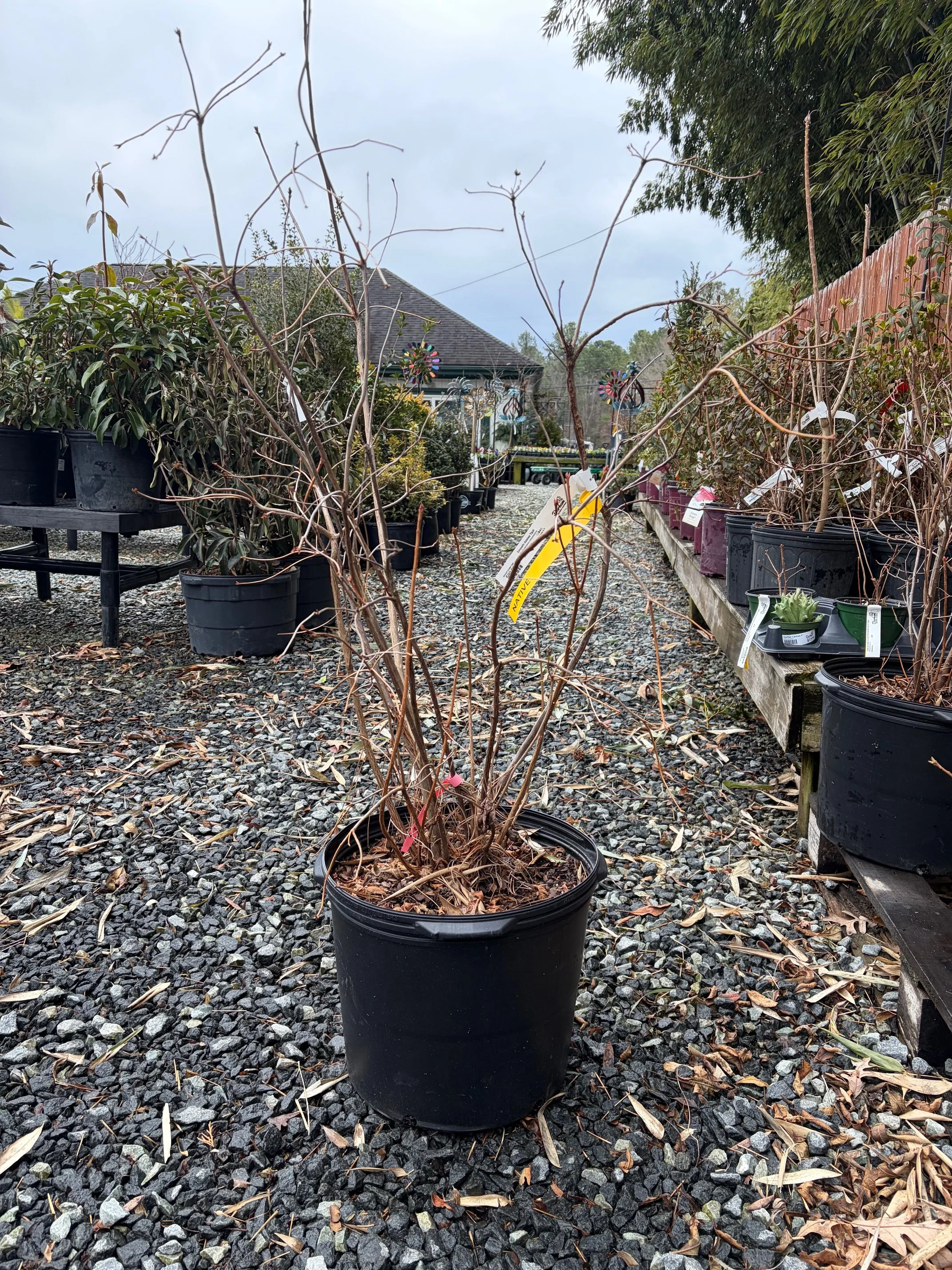
Spring is just around the corner and now is a great time to plant your azaleas! This deciduous azalea is a native known for its airy form, delicate blooms, and unforgettable fragrance. Unlike many azaleas that bloom earlier in spring, smooth azalea flowers later, typically from late May into June. This timing helps extend the azalea season and provides fresh color just as many spring bloomers begin to fade. Its scent is one of the real highlights. Often described as spicy or clove-like, this plant makes a wonderful addition near patios, entryways, or garden paths where the aroma can be enjoyed. Smooth azaleas mature between 8-12 feet tall and 6-10 feet wide, so make sure to plant with plenty of space on all sides!
While we don’t have any photos of smooth azaleas in bloom right now, here’s some pics from the NCSU Plant Toolbox to get you excited for the what your plant could become!
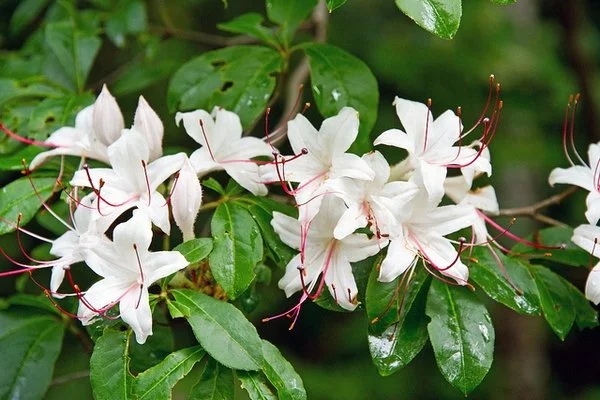
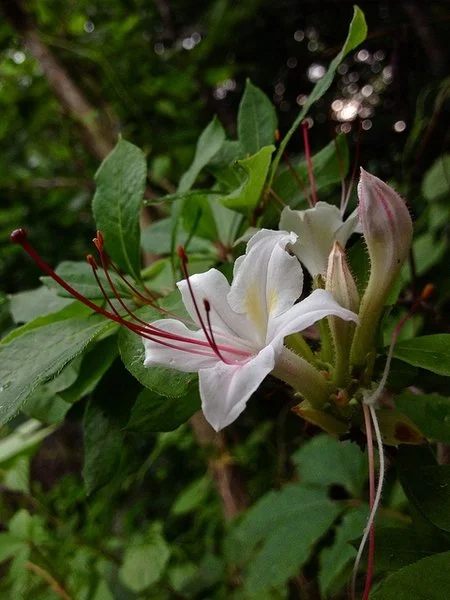
Native Habitat and Garden Use
Smooth Azalea is native to the eastern and southeastern United States, where it naturally grows along stream banks, woodland edges, and moist mountain slopes. In the landscape, it works beautifully in woodland gardens, native plant borders, naturalized or informal plantings, and pollinator gardens. Its loose, open habit gives it a natural appearance that blends well with ferns, native perennials, and shade-loving shrubs. Along with fragrant blooms in late spring/early summer, this Azalea offers clean green foliage in summer and beautiful yellow, orange and red leaves in fall. Since it’s a native species, smooth azaleas support local ecosystems and its nectar-rich flowers attract bees, butterflies and hummingbirds.
Growing & Care
Smooth azalea is relatively easy to grow when its basic needs are met. For light, it prefers partial shade, especially morning sun with afternoon protection. However, it can tolerate more sun if soil moisture is consistent. Like other rhododendrons and azaleas, it prefers acidic, well-drained soil rich in organic matter. Avoid heavy clay or poorly drained sites. This species appreciates consistent moisture, particularly during establishment and dry periods so make sure to keep well watered!
Mulch your smooth azalea with pine bark or leaf mulch to help maintain soil moisture and acidity. Prune only if needed, and do so shortly after flowering since they bloom on old wood. Avoid heavy fertilization and only if needed, use a fertilizer formulated for acid-loving plants.