

Common Houseplant Problems & Fixes
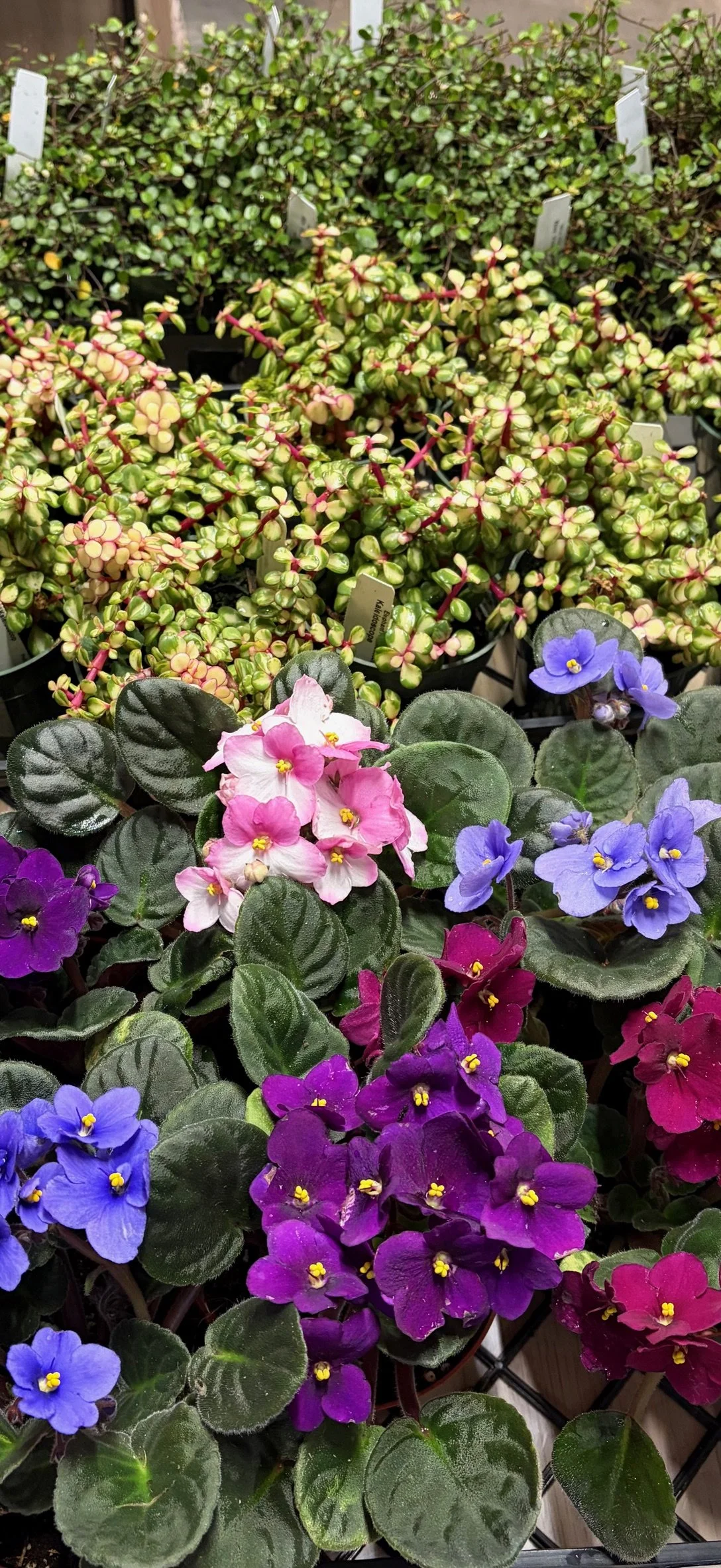
Houseplants bring life and beauty indoors, but even the healthiest plants can run into issues from time to time. The good news? Most houseplant problems are easy to diagnose and fix once you know what to look for. Here’s a guide to some of the most common problems and simple solutions to get your plants back on track.
Problem #1: Yellowing Leaves or root rot. Leaves turning yellow is one of the most frequent houseplant concerns. This discoloration can be caused by overwatering (most common), poor drainage, natural aging of older leaves or sudden environmental changes.
The fix: First, make sure your pots have good drainage holes. Check soil moisture before watering next time. Let the top 1–2 inches dry out before adding more water. This is true for most plants though some (like Peace Lily, Ferns, Anthurium, Alocasia, Monstera, African Violet, Pothos and Philodendron) actually prefer slightly moist soil. Slightly moist means the top half to full inch of soil feels barely dry but underneath that, it’s cool and damp. Houseplants that do NOT want moist include Snake plant, ZZ plant Succulents, Cacti, Jade plant and Ponytail Palm.
Problem #2: Brown Leaf Tips or Edges. This is often caused by low humidity, inconsistent watering or salt buildup from fertilizer or tap water. In winter, you may notice this on your plants if they’re placed too close to an indoor heated vent.
The fix: Increase your humidity with a pebble tray, humidifier, or by grouping plants together. If your bathroom has good light, you can also move plants there to catch your showertime humidity. Water your plant consistently and avoid letting it completely dry out. You can also purchase distilled water to occasionally flush out the soil.
Problem #3: Wilting. If your leaves are looking limp, you probably are not watering your plants enough OR you’re watering them too much and experiencing root rot.
The fix: Check the soil. If it’s dry, water thoroughly. We recommend bottom watering (let the plant sit in a tub of water for 30-40 minutes to soak up water from the bottom.) If the soil is soggy, let it dry out then check for root rot then repot in fresh, well-draining soil if roots are mushy or smell foul.
Problem #4: Slow or No Growth. If your plant looks healthy but hasn’t put out any new growth in a while, it likely doesn’t have enough light, is rootbound, lacks nutrients or is just in winter dormancy!
The fix: Move your plant to a brighter room in your home and check if the roots are circling the bottom of the pot. If so, repot. Feed your plant with a houseplant fertilizer during the growing season (not winter!) and remember it’s okay for growth to slow or stop in fall and winter.
Problem #5: Leaves Turning Pale or Leggy Growth. If your stems are stretched, you can assume your plant does not have enough light.
The fix: Move the plant closer to a bright window, rotate regularly for even growth and consider supplementing with a grow light if natural light is limited.
Problem #6: Fungus Gnats. Ew! Are tiny flies hovering around the soil? It’s probably because your soil is staying too wet and needs better airflow.
The fix: Let the top layer of soil dry between waterings. Use sticky traps to catch adults (we sell these!). Top-dress your soil with sand or turn on a nearby ceiling fan to increase airflow.