

Hydrangea Varieties & Differences
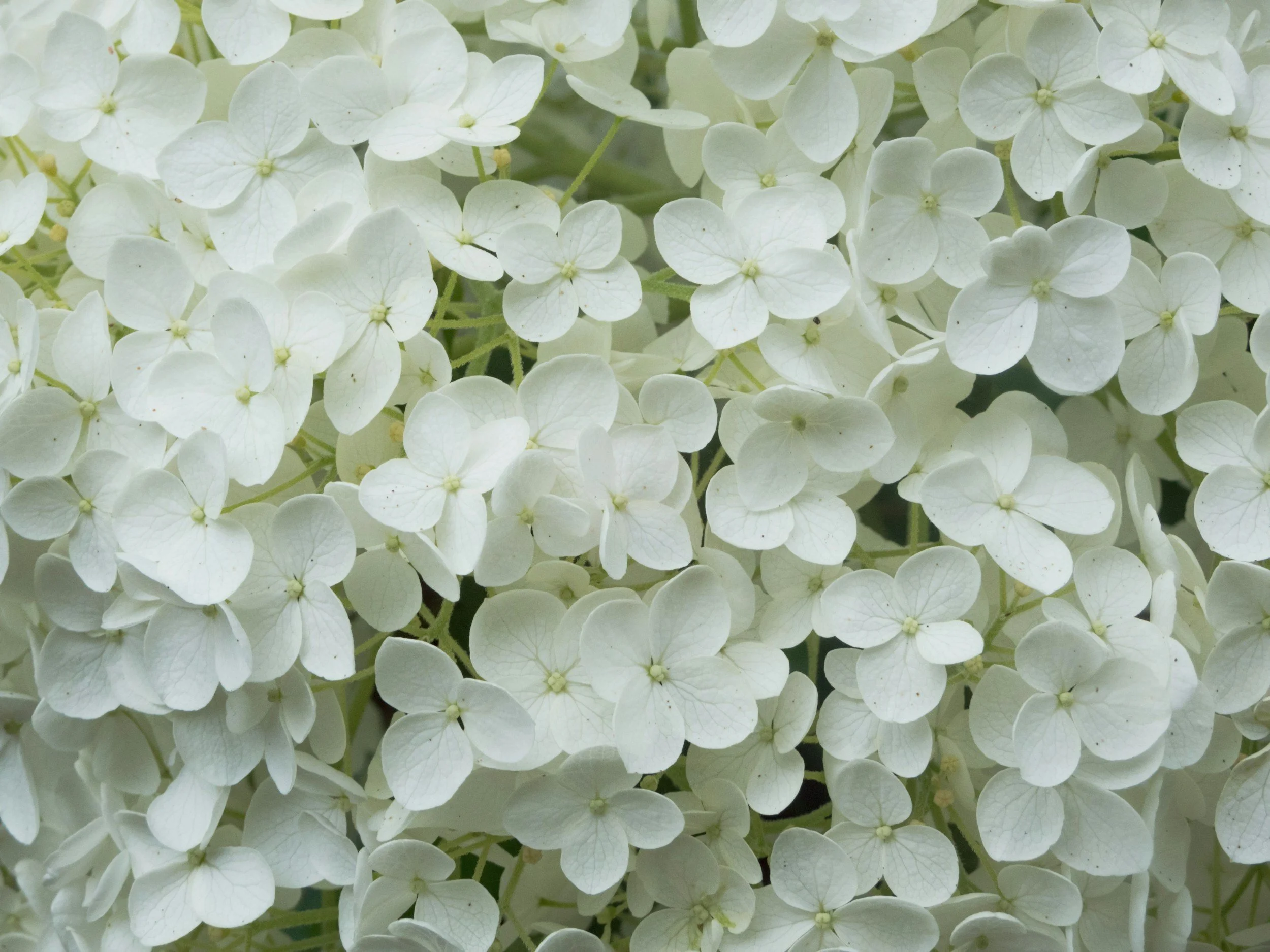
Hydrangeas are beloved for their large, showy blooms and versatile garden appeal. However, not all hydrangeas are created equal. Each type has unique growing habits, bloom styles, and care requirements. Here’s a guide to the most common types and how to care for them:
1. Bigleaf Hydrangea (Hydrangea macrophylla)
These are the classic “mophead” hydrangeas known for their large, rounded flower clusters. Colors range from blue to pink and are influenced by soil pH. If you want a more blue color, add acidic amendment to soil. For pink, add an alkaline amendment. Bigleaf Hydrangeas prefer partial shade (ideally morning sun with afternoon shade) and bloom on old wood. This means you should prune them immediately after flowers fade and avoid cutting old winter wood! Popular varieties include ‘Nikke Blue,’ ‘All Summer Beauty,’ ‘Endless Summer,’ and ‘BloomsStruck.’
2. Panicle Hydrangea (Hydrangea paniculata)
These Hydrangeas feature cone-shaped flower clusters that often start white and age to pink. They are hardy and bloom on new wood which means they should be pruned in late winter or early spring to encourage strong new growth. Panical Hydrangeas thrive in full sun to part shade and are relatively drought resistant once established. Popular varieties include ‘Limelight,’ ‘Vanilla Strawberry,’ ‘Phantom,’ and ‘Quick Fire.’
3. Smooth Hydrangea (Hydrangea arborescens)
Known for big, round flower heads, Smooth Hydrangeas offer large white snowball type blooms that are big and round. They are native to North America and thrive with consistent moisture. Smooth Hydrangeas need a hard early spring/late winter pruning since they bloom on new wood (similar to Panicle). Popular varieties include ‘Incrediball,’ ‘Invincibelle Spirit,’ and ‘Annabelle’ (the most famous smooth hydrangea).
4. Oakleaf Hydrangea (Hydrangea quercifolia)
Oakleaf Hydrangeas are named for their oak-shaped leaves which turn brilliant red and orange in fall. Along with showy leaves, their flowers grow in upright cone-shaped clusters (panicles) that usually start white and slowly age to pink/purple tones. These beauties prefer partial shade but can tolerate full sun in cooler climates. They also like well-drained, slightly acidic soil and require minimal pruning (only dead branches) after flowering.
5. Climbing Hydrangea (Hydrangea anomala subsp. petiolaris)
Unlike the other hydrangeas, this one is a vigorous vine (not a shrub!) that provides white lacecap flowers and is perfect for walls, fences, or arbors. Climbing Hydrangeas like partial to full shade. (Too much sun can scorch their leaves!) While slow to establish, they are long-lived once matured.