

Best Groundcovers to Plant in Fall
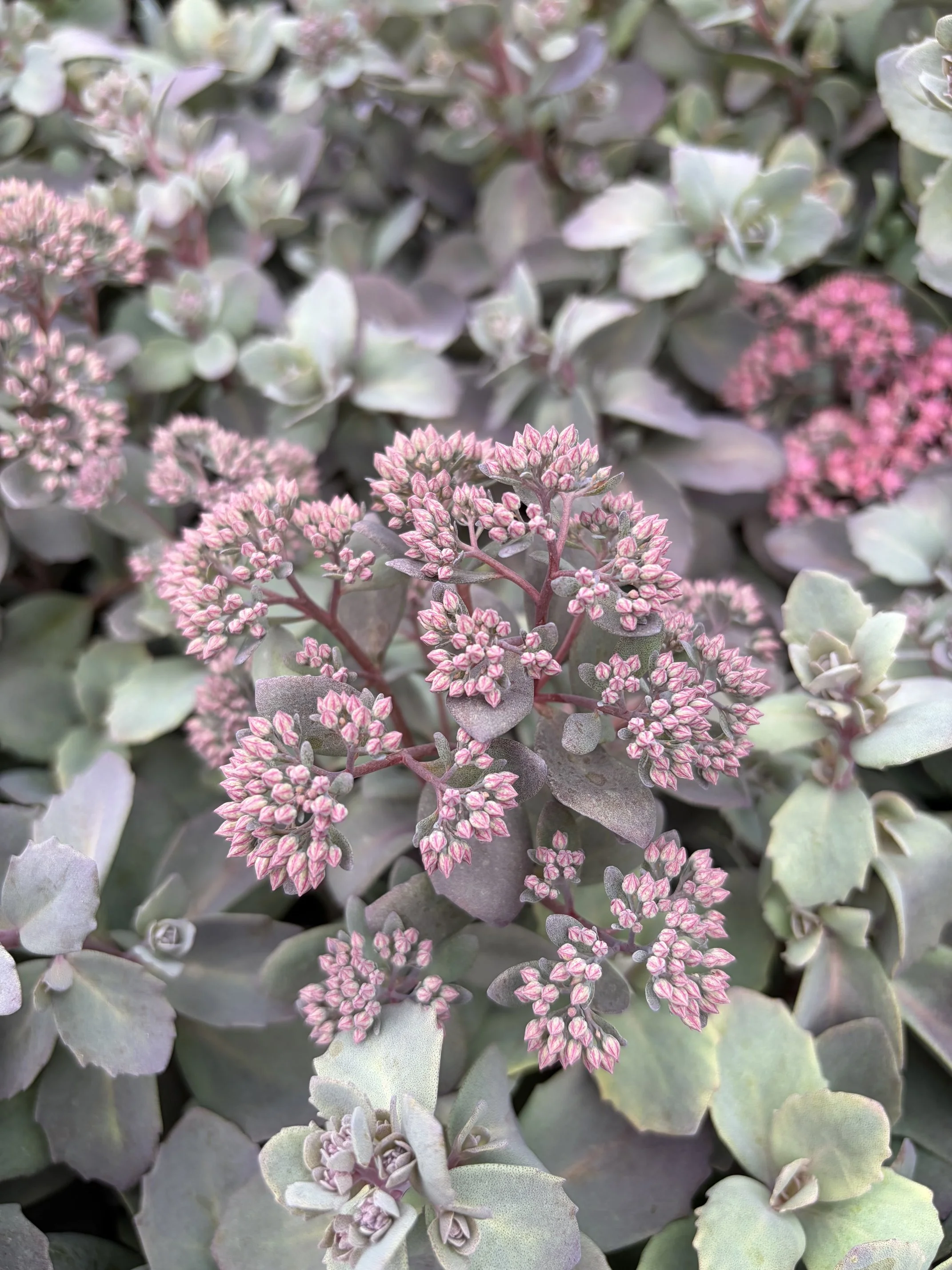
If you're looking to establish groundcovers to fill bare soil, suppress weeds, control erosion and knit a landscape together, now is your time to plant! For best results, get groundcovers in the ground at least 4 to 6 weeks before your first hard frost. This gives roots enough time to establish before the ground freezes solid.
So why is fall such an ideal time to plant groundcovers? Glad you asked. First, soil holds onto summer's heat long after the air starts to cool. This combination is perfect for root development, since roots grow vigorously in warm soil while cooler air means the plant isn't losing much moisture through its leaves or struggling with heat stress. That head start pays off in a big way: groundcovers planted in fall spend the winter building a root system underground, so when spring arrives, they're not starting from scratch but are already established and ready to spread, fill in, and bloom faster than anything planted fresh in spring. Fall also tends to bring more consistent rainfall and lower evaporation rates, meaning less supplemental watering is needed to get new plantings established, and weed pressure is lower too, so new groundcovers face less competition while getting settled. This timing matters for erosion control as well, since bare soil is vulnerable over winter. Rain, snowmelt, and freeze-thaw cycles (which we get a lot of here!) can wash away topsoil or cause compaction, but a groundcover planted in fall starts knitting its roots into the soil before winter hits, helping hold everything in place through the cold months.
Wondering what our recommended groundcovers are to get started on your fall planting journey? See below!
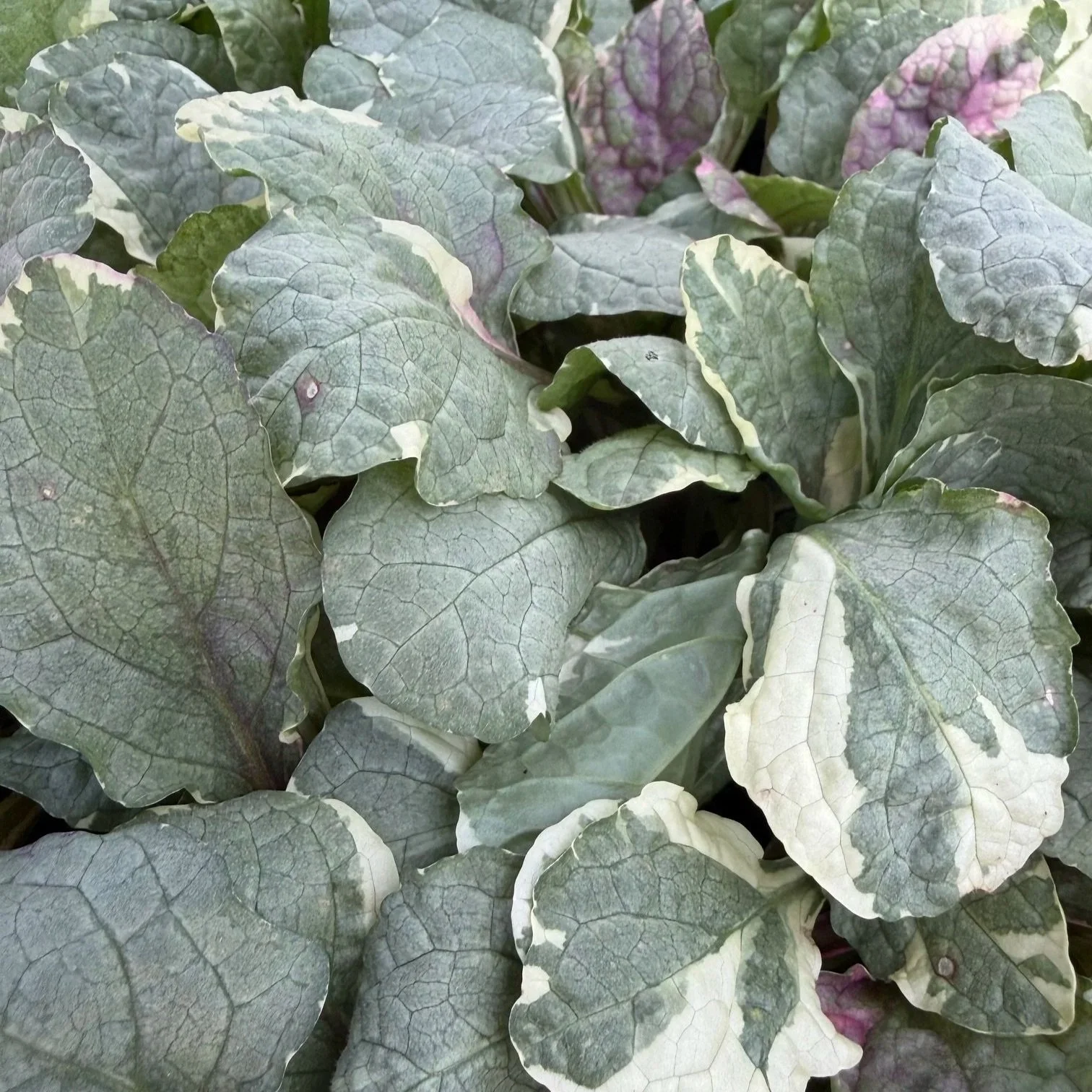
Ajuga (Ajuga reptans 'Burgundy Glow')
Foliage: Tricolor leaves blending cream, pink, and burgundy over green
Light: Part shade to full shade
Height/Spread: 4–6 in. tall, spreads 12+ in. wide via stolons
Benefit: Fast-spreading, evergreen to semi-evergreen coverage for shady spots under trees
Note: Can be aggressive. Plan for edging or containment, and give it well-drained soil to avoid crown rot
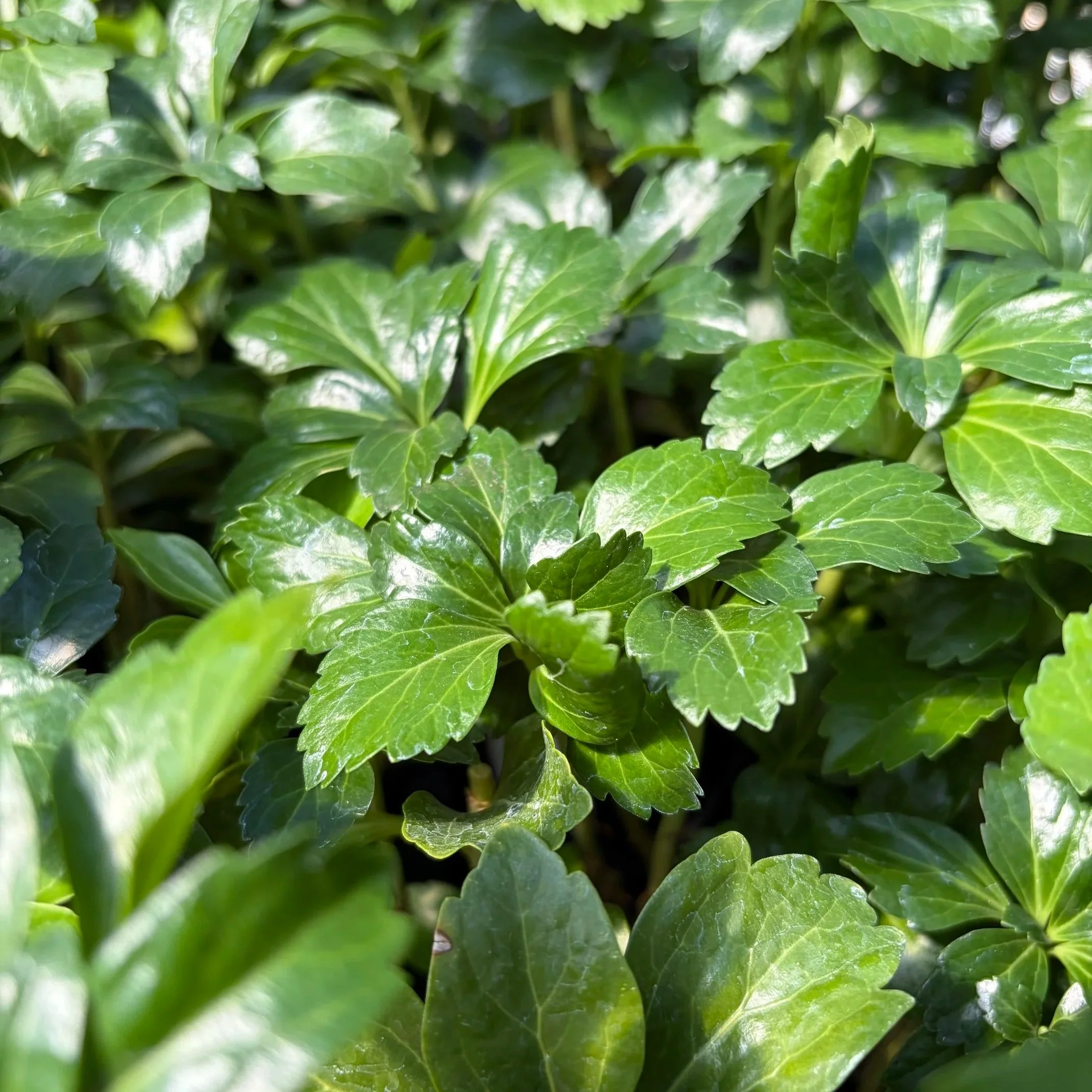
Pachysandra (Pachysandra terminalis)
Foliage: Glossy, dark green, evergreen
Light: Shade to part shade
Height/Spread: 6–12 in. tall, spreads indefinitely by rhizomes
Benefit: One of the most reliable evergreen groundcovers for deep shade under trees where little else grows
Note: Slow to establish the first year or two, then spreads steadily; avoid full sun, which scorches leaves
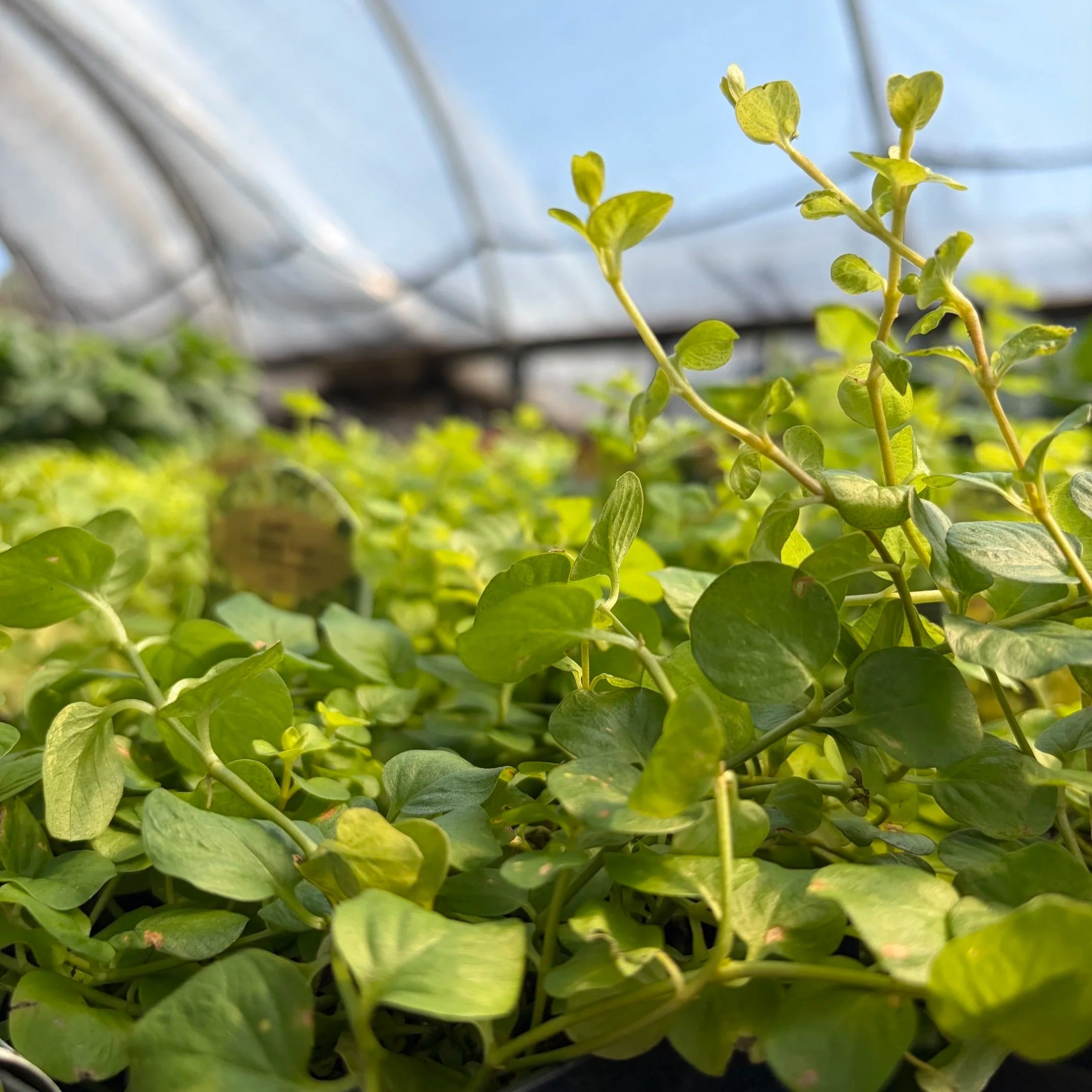
Creeping Jenny (Lysimachia nummularia)
Foliage: Round, chartreuse to golden leaves
Light: Full sun to part shade
Height/Spread: 2–4 in. tall, spreads widely and roots at leaf nodes
Benefit: Bright chartreuse color adds contrast in beds, containers, and along pond edges; tolerates moist soil better than most groundcovers
Note: Can become invasive near water features or in consistently moist ground. Best contained in most landscapes
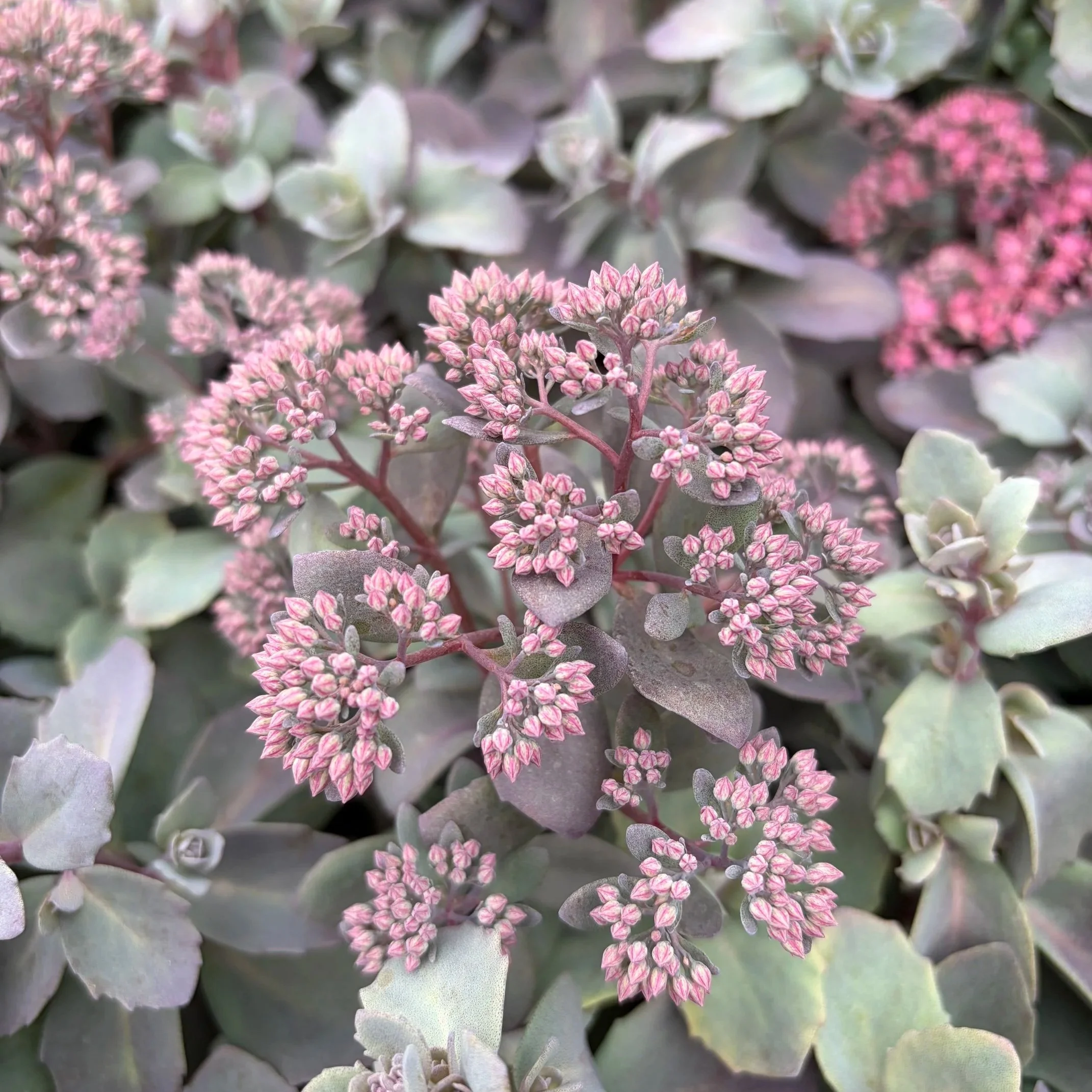
Sedum (Stonecrop, low-growing varieties like 'Angelina' or 'Dragon's Blood')
Foliage: Succulent, varies by variety (chartreuse, burgundy, blue-green)
Light: Full sun
Height/Spread: 2–6 in. tall, spreads 12–18 in.
Benefit: Extremely drought-tolerant once established; ideal for rock gardens, green roofs, and hot, dry sites where other groundcovers struggle
Note: Needs excellent drainage. Will rot in heavy, wet clay soil
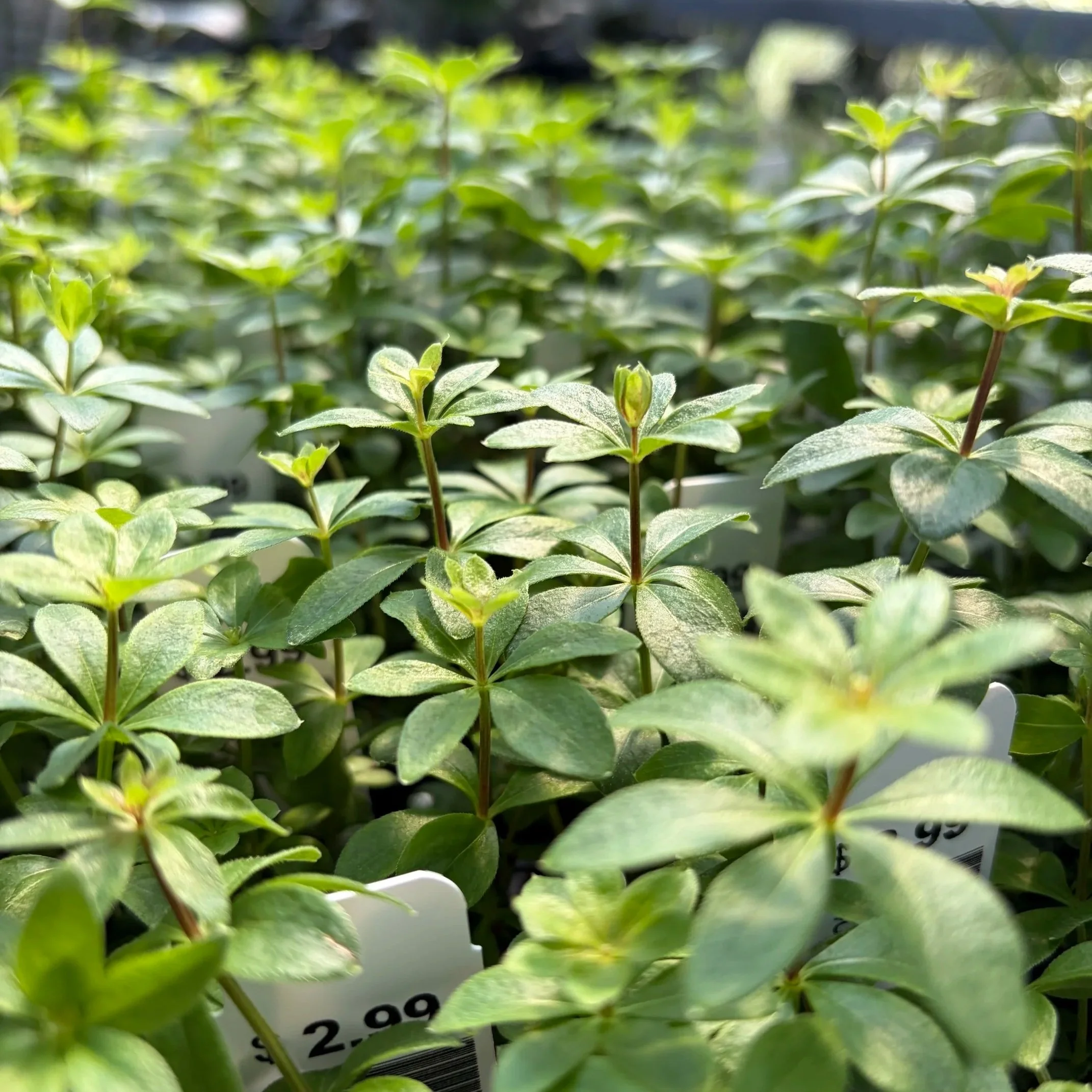
Sweet Woodruff (Galium odoratum)
Foliage: Whorled, bright green leaves
Light: Part to full shade
Height/Spread: 6–8 in. tall, spreads readily by rhizomes
Benefit: Fragrant white flowers in late spring; thrives in moist, shaded woodland conditions where many groundcovers struggle
Note: Prefers consistently moist soil; can spread aggressively in ideal conditions