

Best Plants for Your Pumpkin Planter
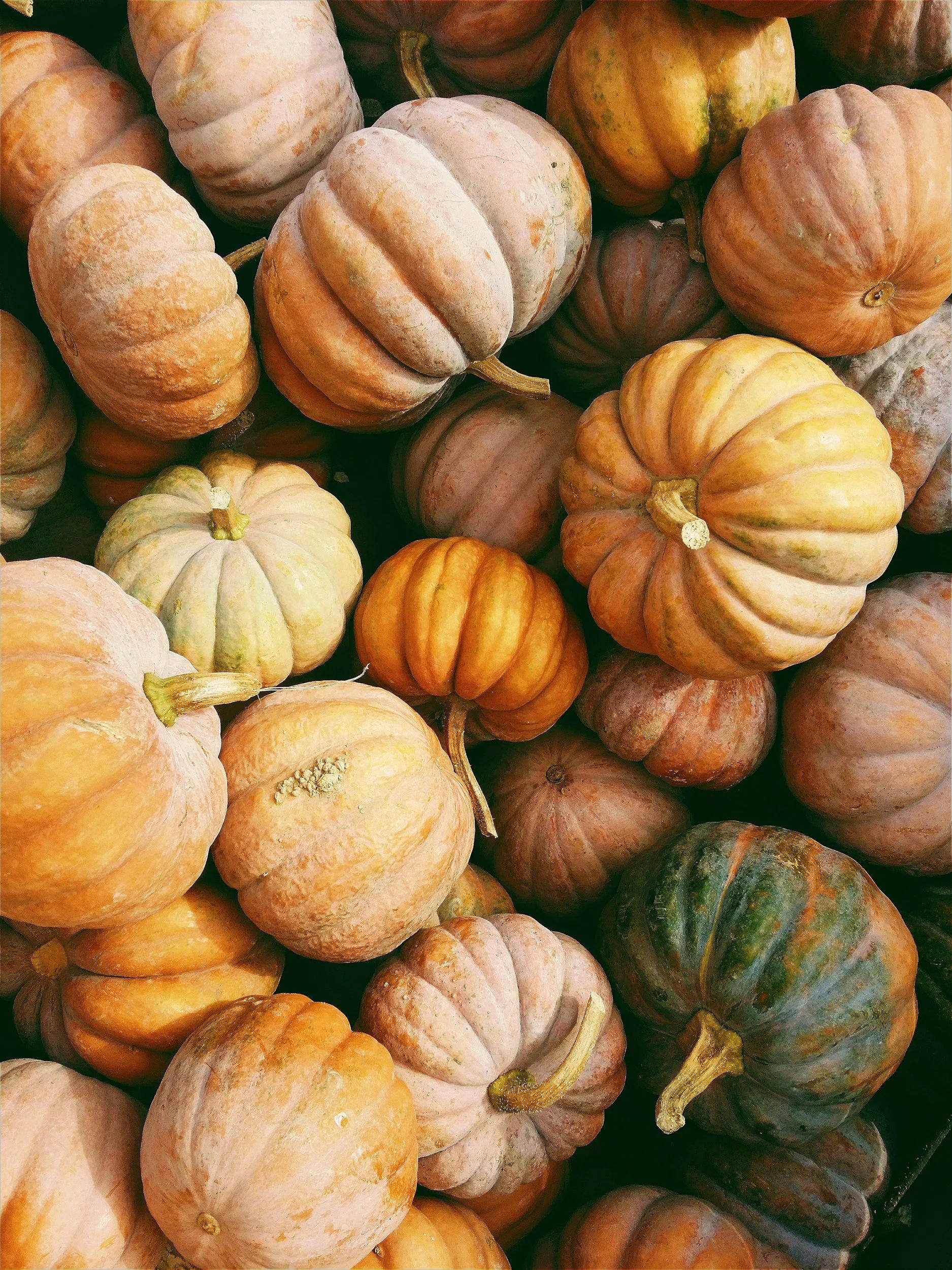
The best pumpkin-planter plants are ones that are already full-grown, tolerate cool weather, have shallow roots, and don’t need much water. A real pumpkin usually lasts only about two to four weeks once it’s cut, so you want instant impact rather than plants that need time to grow in, and you want to avoid wetting the pumpkin flesh any more than necessary.
To make a pumpkin planter, start with a large pumpkin that has thick walls and a flat bottom so it sits steadily. Varieties like Cinderella, Jarrahdale, or a sturdy carving pumpkin work well. Cut a wide opening around the stem and scrape out every bit of seeds and stringy pulp, because leftover flesh is what rots first. Wipe the inside with a diluted bleach solution (about a tablespoon per quart of water) or white vinegar to slow mold, and let it air-dry for an hour or so. Poke several drainage holes in the bottom so water can’t pool. The easiest and cleanest method is to set the plant inside still in its plastic nursery pot, trimming the pot if it’s too tall. That keeps soil and moisture off the pumpkin walls, and you can lift the plant out to replant it when the pumpkin starts to soften. If you plant directly into the pumpkin instead, use a light potting mix and water sparingly. Display it somewhere cool and out of direct afternoon sun to make it last longer. When it finally slumps, compost the pumpkin and move the plants into the garden or a regular pot.
Top picks
Mums (chrysanthemums): The classic choice. They’re compact, bloom heavily in fall, and their rust, gold, and burgundy shades suit a pumpkin. Buy them in bud so the flowers last through the pumpkin’s lifespan.
Ornamental kale and cabbage: They actually color up more as nights get colder, have a sturdy rosette shape that fills the opening nicely, and handle light frost.
Pansies and violas: They’re cold-hardy and come in fall colors. They also tolerate the crowding of a small container, and you can move them to the garden afterward, where they often survive the winter.
Succulents (sedum, echeveria, hens-and-chicks): These are the best choice for longevity. Their roots are shallow and they need very little water, so the pumpkin stays drier and rots more slowly. They work especially well in small or flat heirloom pumpkins.
Ornamental grasses or carex: They add height and movement behind lower plants.
Trailing plants (creeping jenny, ivy, trailing sedum): These spill over the rim and soften the edges for a fuller, more designed look.
A good combination uses one tall plant, one filler, and one trailing plant. For example, carex, a mum, and creeping jenny.