

June’s Plant of the Month: Milkweed
If there were a superhero of the pollinator world, milkweed would wear the cape. June is peak milkweed season, and with its clusters of colorful flowers, sweet fragrance, and incredible ecological value, milkweed is one of the most important plants you can add to your garden.
Milkweed isn't just pretty. It's essential. Milkweed is the only host plant for monarch butterflies. Female monarchs lay their eggs exclusively on milkweed, and once the caterpillars hatch, the leaves become their sole food source. Without milkweed, there would be no monarch butterflies.
At Durham Garden Center, we carefully select the varieties we carry, focusing exclusively on temperate, North American species that truly support monarch populations and thrive in our region. You may have seen tropical milkweed (Asclepias curassavica) at big box stores. It's tall, flashy, and blooms for a long time, but that doesn't necessarily make it better.
Tropical milkweed stays green and flowering well into fall and even winter in warm climates. This can confuse migrating monarchs, encouraging them to linger rather than continue their journey south. In contrast, temperate milkweeds naturally die back in autumn, signaling monarchs to continue their migration and providing habitat that's synchronized with their life cycle. So while tropical milkweed may be showy, it's not always the best choice for the butterflies we're trying to help. Below are the three types of milkweed we carry in store:
Butterfly Weed (Asclepias tuberosa)
The straight species butterfly weed is one of the stars of the summer garden. The species name tuberosa refers to its thick, tuberous roots, which helped it survive fires and droughts across the American prairie. Its brilliant orange flowers bloom from late spring through summer and unlike many other milkweeds, butterfly weed prefers drier soils and has a deep taproot that makes it remarkably drought tolerant once established.
Pollinators absolutely adore it also. Monarchs use it as a host plant, while native bees, swallowtails, skippers, and hummingbirds flock to its nectar-rich blooms. Butterfly weed pairs beautifully with black-eyed Susans, native grasses, purple coneflowers, and blazing star for a colorful, low-maintenance pollinator garden.
Swamp Milkweed 'Milkmaid' (Asclepias incarnata 'Milkmaid')
For gardeners who love a little elegance, 'Milkmaid' offers all the pollinator benefits of milkweed with a softer, more refined look. This selection features creamy white flowers that appear in clusters atop sturdy stems, creating a cool, luminous effect in the garden. Like other temperate milkweeds, 'Milkmaid' serves as a host plant for monarch caterpillars while attracting a diverse crowd of bees, butterflies, and beneficial insects. Its clean white flowers are especially striking in moon gardens or cottage-style plantings, proving that supporting wildlife can be just as beautiful as it is beneficial.
Swamp Milkweed 'Cinderella' (Asclepias incarnata 'Cinderella')
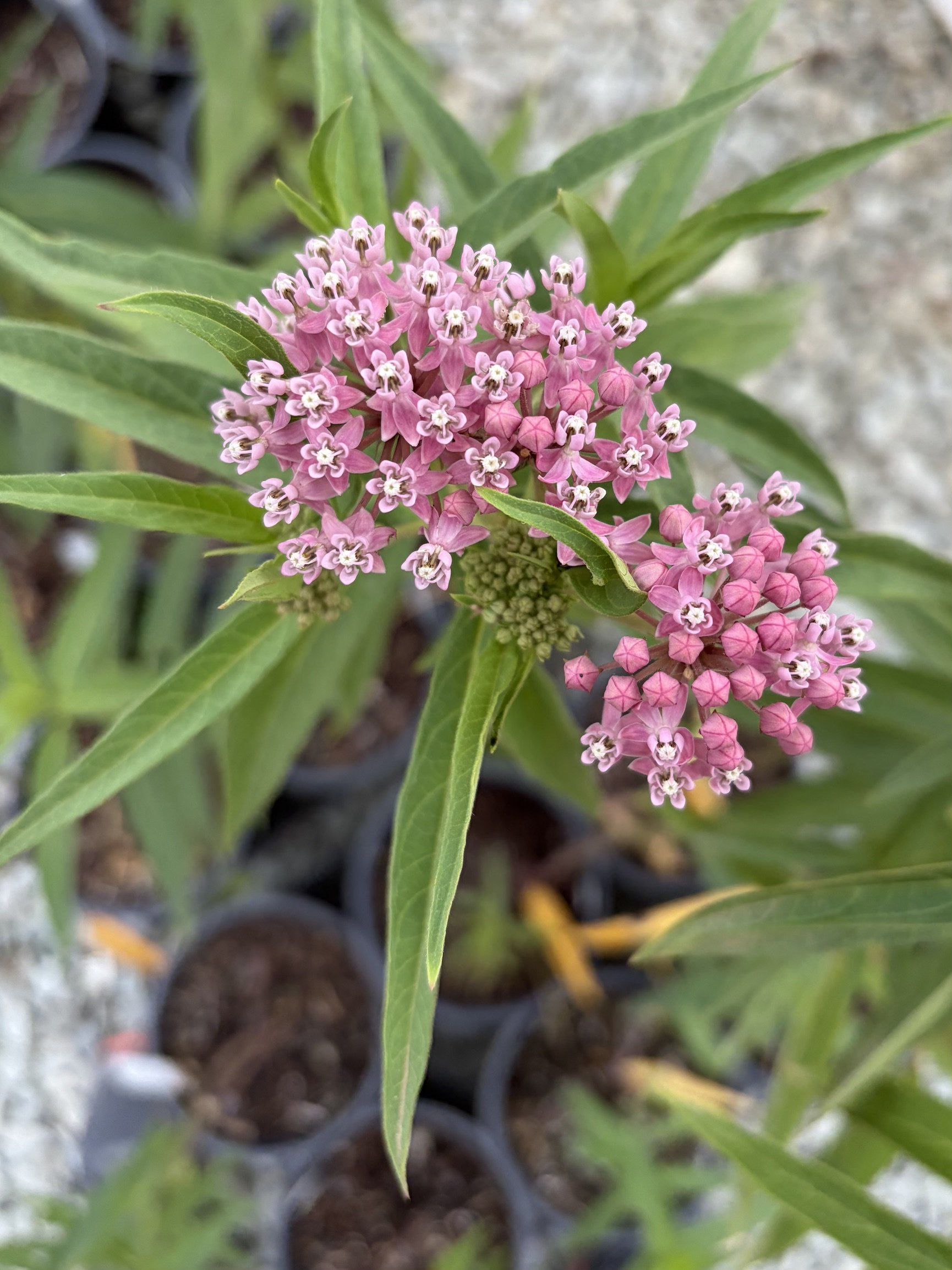
Don't let the name fool you. This princess is tougher than she looks. 'Cinderella' is a selection of swamp milkweed that produces large clusters of rosy-pink flowers with an intoxicating vanilla-like fragrance. Blooming throughout summer, it quickly becomes one of the busiest plants in the garden as butterflies and bees flock to its nectar. Despite its common name, swamp milkweed is surprisingly adaptable. While it naturally grows in moist soils and rain gardens, it performs beautifully in average garden soil as long as it receives regular water while becoming established.