

More Fireflies in your Garden
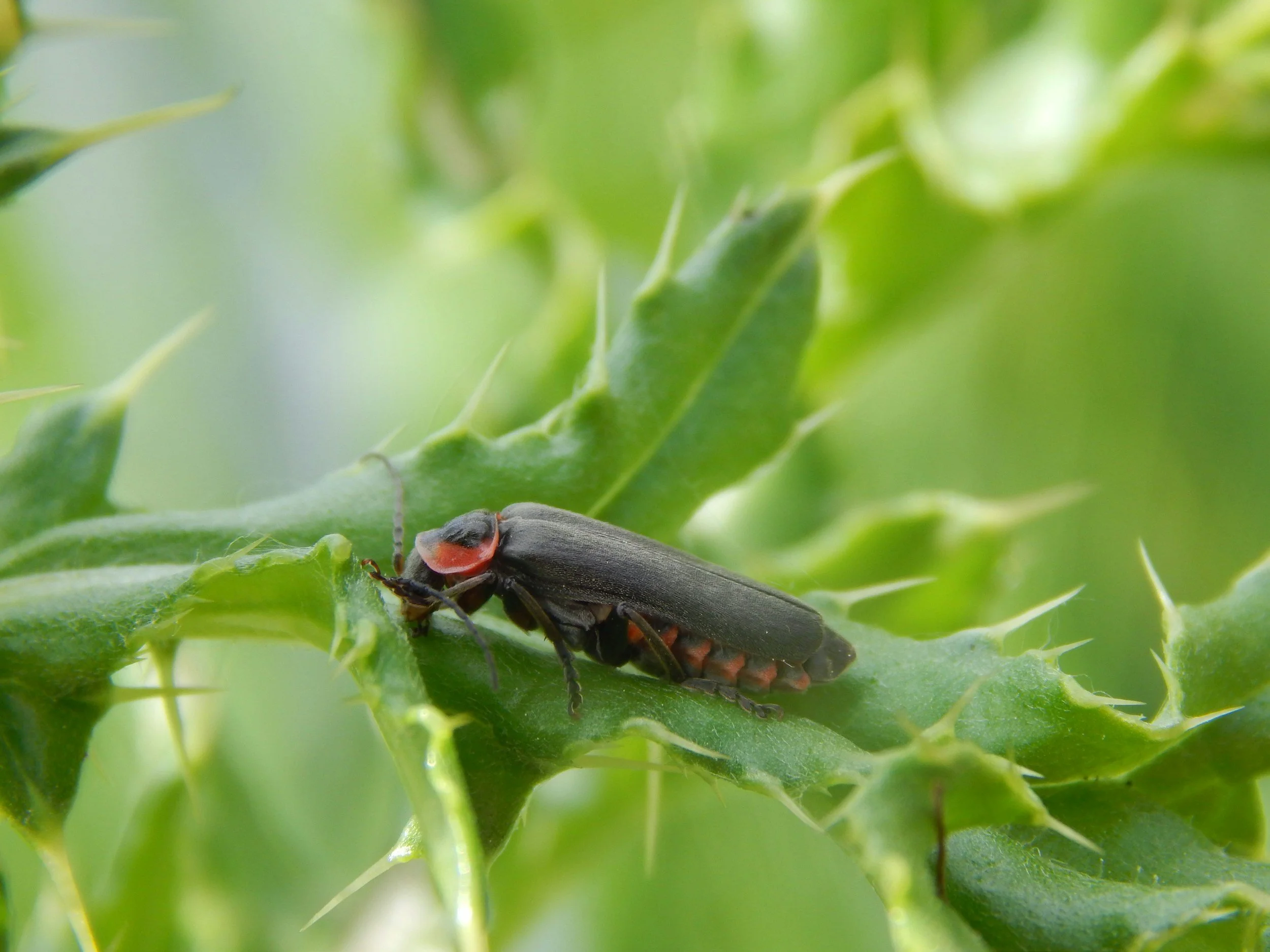
There's a particular kind of summer evening magic in watching fireflies blink across a backyard. If you've noticed fewer of them lately, you're not imagining it. Firefly populations have been declining across the country due to light pollution, habitat loss, and pesticide use. The good news is that a garden can become a genuine sanctuary for them with a few deliberate changes and some patience. Since it takes a couple years for larvae to mature into flashing adults, you’ll need to wait through a few seasons after making your yard more hospitable before seeing any real changes.
Fireflies are actually beetles and their entire life cycle depends on conditions that most manicured lawns don't offer. Adult fireflies are the flashing beetles we notice, but they only live a few weeks and barely eat. Before that, they spend one to two years as larvae (sometimes called "glowworms") living in soil and leaf litter, where they act as voracious predators of snails, slugs, and worms. That means a healthy firefly population is doing pest control in your garden long before you ever see a flash.
Want to see more in your garden? Here’s how!
1) Turn off outdoor lights at night: This is the single most effective change you can make. Porch lights, floodlights, and even decorative string lights interfere with firefly flash communication, making it harder for them to attract mates.
2) Let part of your yard get a little messy: A tightly mowed, tidy lawn offers fireflies almost nothing. Larvae need leaf litter, tall grass, brush piles, or rotting logs to shelter in during the day and to overwinter in. Consider leaving a border, corner, or edge of your yard unmowed.
3) Keep the soil moist. Firefly larvae need consistently damp soil and leaf litter to survive. Garden beds, areas under shrubs, or spots near a water feature tend to work best. If your yard tends to dry out completely in summer heat, consider mulching those areas to retain moisture or locate your "wild corner" to remain shadier and damper.
4) Skip the pesticides. Broad-spectrum insecticides kill fireflies at every life stage, and they also eliminate the snails, slugs, and worms that larvae rely on for food. Even lawn chemicals marketed as safe can suppress firefly populations over time. If you're dealing with pest problems, look for targeted, less invasive solutions rather than broad chemical treatments.
5) Plant natives and add water. Native trees, shrubs, and tall grasses support the broader insect ecosystem that fireflies depend on, both for prey and for daytime shelter. A small pond or rain garden adds the humidity and moisture that adult fireflies are drawn to.