

Summer Lawn Care
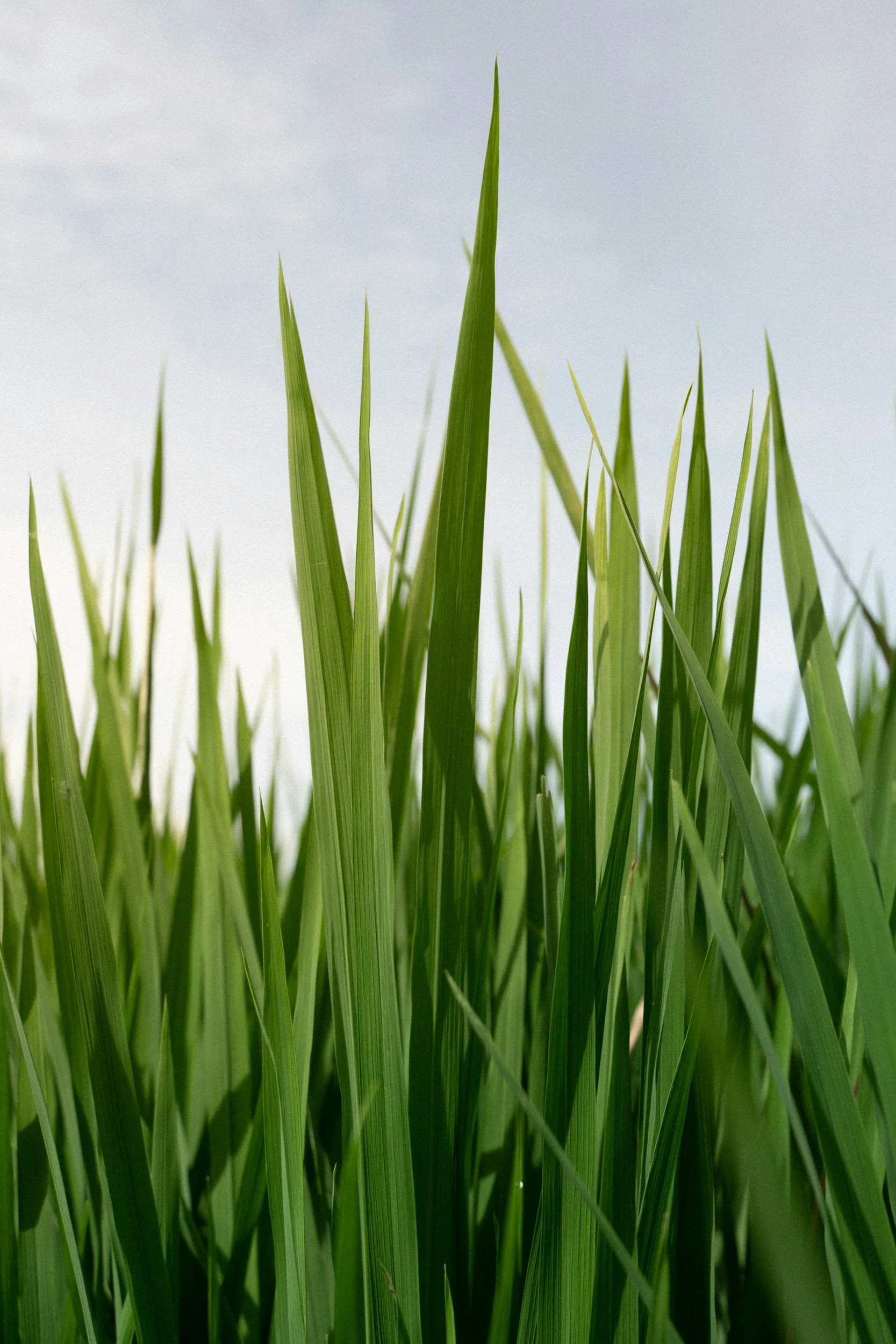
Central North Carolina sits squarely in the transition zone, where lawns are a mix of warm-season grasses (Bermuda, zoysia, centipede) and cool-season grasses (tall fescue). By mid-to-late summer, the Piedmont's heat and humidity put every lawn under stress and the right care depends heavily on which type you have.
Before knowing how to care for your grass this time of year, first identify which grass type or types you have. Tall fescue, the most common cool-season lawn in the area, is essentially dormant-stressed in summer heat and needs a "just survive" approach until fall. Tall fescue has wider blades (¼–½ inch), dark green and is somewhat coarse. It grows in clumps rather than spreading and stays green through winter. Warm-season grasses (Bermuda, Zoysia, Centipede,) are actively growing now and can handle summer maintenance well. Bermuda grass has fine, narrow blades and spreads aggressively both above and below ground. Zoysia blades are stiffer and finer than fescue but often more coarse than Bermuda, with a distinct dense carpet-like feel underfoot. And finally, Centipede grass is a light apple-green color that’s low growing and low maintenance (often called the ‘lazy man’s grass’).
Knowing what type of grass you have helps you know how to care for it mid-summer:
Watering: Water deeply and infrequently in early morning (about 1 to 1.5 inches per week, including rainfall, rather than daily light sprinkles). This encourages deeper roots. Fescue lawns benefit from slightly more consistent moisture during heat waves to limit dormancy stress; Bermuda and Zoysia are more drought-tolerant and can go longer between waterings.
Mowing: Raise your mower height in summer. Never cut more than one-third of the blade length at a time, and keep mower blades sharp to avoid ragged, disease-prone cuts. Taller grass shades the soil, conserves moisture, and reduces heat stress. For Fescue, mow to 3.5–4 inches. For Bermuda, Zoysia and Centipede, mow to 1–2.5 inches.
Fertilizing: Do not fertilize fescue with nitrogen in summer. This pushes growth the plant can't support in the heat and increases disease risk. Instead, wait until early fall to fertilize and overseed. Warm-season grasses can receive light nitrogen applications through mid-summer, tapering off by late August so growth slows before fall dormancy.
Weeds and Disease: Watch for brown patch and other fungal diseases in fescue during hot, humid stretches. Good airflow and morning watering help prevent them. Grubs and chinch bugs become active in summer so scout for irregular brown patches that don't respond to watering. Spot-treat weeds rather than blanket spraying, since many herbicides stress grass further in high heat.